
Curriculum and Instruction
customElement.about
Core Curriculum
customElement.tabbedElements
customElement.tabbedElement.ela
customElement.tabbedElement.enl
|
It is the goal of our District to educate students to have exceptional mathematical knowledge, have an understanding of mathematical concepts, and be able to apply mathematics in the solution of real-world problems in the 21st Century. Classroom teachers prepare students to meet the expectations of the Next Generation Learning Standards and Mathematical Practices by using a variety of resources.
Core Curricular Resources for Math:
|
|
customElement.tabbedElement.science
customElement.tabbedElement.socialStudies
-
customElement.tabbedElement.ela
-
customElement.tabbedElement.enl
-
It is the goal of our District to educate students to have exceptional mathematical knowledge, have an understanding of mathematical concepts, and be able to apply mathematics in the solution of real-world problems in the 21st Century. Classroom teachers prepare students to meet the expectations of the Next Generation Learning Standards and Mathematical Practices by using a variety of resources.
Core Curricular Resources for Math:
- HMH Math Expressions K-6
- eSpark Learning K-2, supports students with individual pathways to assist in building their mathematical understanding.
- iXL grades 3-6. There are multiple learning options on this platform for students to enhance their math skills. Teachers can assigned curriculum aligned paths, test prep and individualized paths based on students’ current math proficiency.
-
customElement.tabbedElement.science
-
customElement.tabbedElement.socialStudies
customElement.tabbedElement.ela
Our Philosophy: We want our students to choose to read and write. We want our students to view literacy as a way to raise the quality of their lives and the quality of the many communities that they belong to.
Our program is aligned to the Next Generation Learning Standards for ELA.
Next Generation Learning Standards ELA ELA & ENL Presentation

customElement.tabbedElement.ela
The District takes a balanced literacy approach to the teaching of reading, writing, speaking and listening. Teachers use a blend of modeling, guiding and independent literacy work by students to build skills. Children are assessed and instruction is planned based on their instructional literacy levels.
Each classroom has a library of multileveled interesting fiction and nonfiction books. The schools also have book sets to facilitate small group instruction. Teachers use instructional planning resources such as the Fountas and Pinnell Benchmarking System, Writing Fundamentals, SIM, Making Meaning, anthologies, websites, magazines, etc…
We are always striving to improve on the success of our students. To support our teachers in reaching the highest level of literacy instruction, the District has had held many excellent professional development opportunities for teachers. These expert consultants have supported our staff in teaching the many components of balanced literacy. In addition, the District has a literacy coach that guides teachers on an ongoing basis on implementing quality literacy instruction. The District will continue to support our teachers with training and resources in order to ensure that all of our students reach their potential in reading and writing.
All instruction and outcomes meet or exceed the requirements of the grade as outlined in the Next Generation Learning Standards.
In the primary grades, teachers use a balanced, methodical approach to reading instruction. Evidence-based literacy structures (shared reading, interactive read aloud, strategy groups, guided reading groups, accountable independent reading, meta-cognitive reading skill comprehension strategy instruction) are used in conjunction with daily phonics and phonemic awareness instruction. Instruction is designed to build towards independence in reading. Students are expected to leave grade 2 reading independently for understanding at the high end of the Lexile range for grades 2-3 (450-820). This is approximately a level O/P in the Fountas and Pinnell Leveling system.
Students are taught the core phonemic awareness and phonological skills through the daily use of Fundations in grades K-2. In addition, students are instructed in Tier 1, 2 and 3 vocabulary words in the context of the content areas. Required sight word lists are used in each grade.
In addition, students are instructed in guided reading groups with the purpose to move students through the levels of reading as defined in the Fountas and Pinnell literacy continuum. As students progress thorough the levels the skills required to master increasingly difficult text are taught through the guided reading approach. Each building has an in-depth guided reading library to support this approach. Students are instructed in guided reading groups on a weekly basis. Text use in these settings is balanced between nonfiction and fiction text. Guided reading supports students’ mastery in the three cueing systems for reading: meaning, visual and semantic.
In addition, students are taught reading comprehension skills and the strategies to support their acquisition of those skills by reading in fiction and nonfiction text. These skills allow students to master the Common Core standards in literacy. Skills and strategies are modeled and students apply the skills during independent reading. Students read independently in books of their choice that are matched to their reading level and interest. Students are held accountable for their reading through the use of writing in response to reading, partner talk and reading logs. Independent reading is where students combine the skills they learned in guided reading, Fundations and vocabulary work to master grade-level text and to read independently for meaning. Students are asked to display their understanding through inferring which is supported by text-based evidence. Students are pushed for fluency, volume and stamina and measured against District Benchmarks for Reading levels. Students work independently or in small teacher-led groups.
- Writing Workshop-Students in all grades are instructed in writing (craft, genre, grammar, mechanics) across the school year. Each grade uses writing units and the Strategic Intervention Model for grammar and mechanics. Student work is measured against common core aligned writing rubrics. Students are taught each year in how to write narrative, argumentative and informative pieces.
- Close Reads-These are intensive 3-5 day units that ask students in all grades to analyze and evaluate high quality grade level text across genres independently. Students reread the text and develop and answer critical questions. Students also study and determine the meanings of complex vocabulary in the units. Most units include a writing assignment.
- Vocabulary Instruction-Vocabulary instruction occurs across all grade levels and content areas. The district has a strategic academic vocabulary list as well. In the upper grades in alignment with the common core, students learn about Latin roots and derivatives to aid in vocabulary acquisition. The district utilizes sight word lists for the primary grades that students master in support of fluent reading.
- Read Aloud – Whole class instruction during which the teacher reads aloud a book to model reading strategies, fluency and to develop a love of reading. Often students are paired together and are able to respond to the text to their partner in a structure called “Turn and Talk.”
- Shared Reading – Whole-class instruction that involves a text that all can see; on a chart, overhead, big book or individual copies. This teaching strategy is used to introduce or reinforce a reading strategy or skill that the children can use when navigating text independently.
- Guided Reading – Small group instruction using leveled books at the child’s instructional level. The teacher supports the students in navigating the text and by determining and delivering instruction that will move each student to the next level.
- Independent Reading – Each child reads a just-right book* by him/herself. The teacher uses this time to conference with students to determine whether or not the student has been able to utilize the strategies taught during whole class or small-group instruction when reading independently. Teachers often observe students’ strengths and weaknesses during guided reading and independent reading to plan future instruction.
- Fundations (Phonics/Word Study) – Students in K-3 use a multisensory reading program called Fundations. Through engaging instructional activities, core spelling and reading skills are taught to mastery through repetition and kinesthetic learning. It is taught daily in each classroom.
- Writing Workshop-Students in all grades are instructed in writing(craft, genre, grammar, mechanics) across the school year. Each grade uses writing units and the Strategic Intervention Model for grammar and mechanics. Student work is measured against common core aligned writing rubrics. Students are taught each year in how to write narrative, argumentative and informative pieces.
- Vocabulary Instruction-Vocabulary instruction occurs across all grade levels and content areas. The district has a strategic academic vocabulary list as well. In the upper grades in alignment with the common core, students learn about Latin roots and derivatives to aid in vocabulary acquisition.
-
The District takes a balanced literacy approach to the teaching of reading, writing, speaking and listening. Teachers use a blend of modeling, guiding and independent literacy work by students to build skills. Children are assessed and instruction is planned based on their instructional literacy levels.
Each classroom has a library of multileveled interesting fiction and nonfiction books. The schools also have book sets to facilitate small group instruction. Teachers use instructional planning resources such as the Fountas and Pinnell Benchmarking System, Writing Fundamentals, SIM, Making Meaning, anthologies, websites, magazines, etc…
We are always striving to improve on the success of our students. To support our teachers in reaching the highest level of literacy instruction, the District has had held many excellent professional development opportunities for teachers. These expert consultants have supported our staff in teaching the many components of balanced literacy. In addition, the District has a literacy coach that guides teachers on an ongoing basis on implementing quality literacy instruction. The District will continue to support our teachers with training and resources in order to ensure that all of our students reach their potential in reading and writing.
-
All instruction and outcomes meet or exceed the requirements of the grade as outlined in the Next Generation Learning Standards.
In the primary grades, teachers use a balanced, methodical approach to reading instruction. Evidence-based literacy structures (shared reading, interactive read aloud, strategy groups, guided reading groups, accountable independent reading, meta-cognitive reading skill comprehension strategy instruction) are used in conjunction with daily phonics and phonemic awareness instruction. Instruction is designed to build towards independence in reading. Students are expected to leave grade 2 reading independently for understanding at the high end of the Lexile range for grades 2-3 (450-820). This is approximately a level O/P in the Fountas and Pinnell Leveling system.
Students are taught the core phonemic awareness and phonological skills through the daily use of Fundations in grades K-2. In addition, students are instructed in Tier 1, 2 and 3 vocabulary words in the context of the content areas. Required sight word lists are used in each grade.
In addition, students are instructed in guided reading groups with the purpose to move students through the levels of reading as defined in the Fountas and Pinnell literacy continuum. As students progress thorough the levels the skills required to master increasingly difficult text are taught through the guided reading approach. Each building has an in-depth guided reading library to support this approach. Students are instructed in guided reading groups on a weekly basis. Text use in these settings is balanced between nonfiction and fiction text. Guided reading supports students’ mastery in the three cueing systems for reading: meaning, visual and semantic.
In addition, students are taught reading comprehension skills and the strategies to support their acquisition of those skills by reading in fiction and nonfiction text. These skills allow students to master the Common Core standards in literacy. Skills and strategies are modeled and students apply the skills during independent reading. Students read independently in books of their choice that are matched to their reading level and interest. Students are held accountable for their reading through the use of writing in response to reading, partner talk and reading logs. Independent reading is where students combine the skills they learned in guided reading, Fundations and vocabulary work to master grade-level text and to read independently for meaning. Students are asked to display their understanding through inferring which is supported by text-based evidence. Students are pushed for fluency, volume and stamina and measured against District Benchmarks for Reading levels. Students work independently or in small teacher-led groups.
-
- Writing Workshop-Students in all grades are instructed in writing (craft, genre, grammar, mechanics) across the school year. Each grade uses writing units and the Strategic Intervention Model for grammar and mechanics. Student work is measured against common core aligned writing rubrics. Students are taught each year in how to write narrative, argumentative and informative pieces.
- Close Reads-These are intensive 3-5 day units that ask students in all grades to analyze and evaluate high quality grade level text across genres independently. Students reread the text and develop and answer critical questions. Students also study and determine the meanings of complex vocabulary in the units. Most units include a writing assignment.
- Vocabulary Instruction-Vocabulary instruction occurs across all grade levels and content areas. The district has a strategic academic vocabulary list as well. In the upper grades in alignment with the common core, students learn about Latin roots and derivatives to aid in vocabulary acquisition. The district utilizes sight word lists for the primary grades that students master in support of fluent reading.
- Read Aloud – Whole class instruction during which the teacher reads aloud a book to model reading strategies, fluency and to develop a love of reading. Often students are paired together and are able to respond to the text to their partner in a structure called “Turn and Talk.”
- Shared Reading – Whole-class instruction that involves a text that all can see; on a chart, overhead, big book or individual copies. This teaching strategy is used to introduce or reinforce a reading strategy or skill that the children can use when navigating text independently.
- Guided Reading – Small group instruction using leveled books at the child’s instructional level. The teacher supports the students in navigating the text and by determining and delivering instruction that will move each student to the next level.
- Independent Reading – Each child reads a just-right book* by him/herself. The teacher uses this time to conference with students to determine whether or not the student has been able to utilize the strategies taught during whole class or small-group instruction when reading independently. Teachers often observe students’ strengths and weaknesses during guided reading and independent reading to plan future instruction.
- Fundations (Phonics/Word Study) – Students in K-3 use a multisensory reading program called Fundations. Through engaging instructional activities, core spelling and reading skills are taught to mastery through repetition and kinesthetic learning. It is taught daily in each classroom.
- Writing Workshop-Students in all grades are instructed in writing(craft, genre, grammar, mechanics) across the school year. Each grade uses writing units and the Strategic Intervention Model for grammar and mechanics. Student work is measured against common core aligned writing rubrics. Students are taught each year in how to write narrative, argumentative and informative pieces.
- Vocabulary Instruction-Vocabulary instruction occurs across all grade levels and content areas. The district has a strategic academic vocabulary list as well. In the upper grades in alignment with the common core, students learn about Latin roots and derivatives to aid in vocabulary acquisition.
customElement.tabbedElement.enl
|
Valley Stream 30 believes that students who, by reason of foreign birth or ancestry, have limited English proficiency (referred to here as “English Language Learners” or ELLs), are more effective learners of both the language and the curriculum if they receive instruction in both their native language and English. The district therefore takes the necessary steps to identify ELL students and provide ELL students with an appropriate program of either Bilingual Education or English as a New Languag |
 |
In order to provide a newly enrolled student with the best possible education, we need to determine how well he or she understands, speaks, reads, and writes in English, as well as prior school and personal history. After registration and enrollment into the school, our School Administrators and/or TESOL teachers will administer the Home Language Questionnaire (HLQ) form to the parents/guardians in the parents’ preferred language. In an effort to assist parent/guardians, who may require assistance with the translated version of the HLQ form, translation pens are available to provide parents with immediate on the spot audio translation of the form. View and/or download the information at the following links:
English / Albanian / Amharic / Arabic / Bengali / Bulgarian / Burmese / Chinese Simplified / Chinese Traditional / French / Fulani / German / Haitian Creole / Hausa / Hebrew / Hindi / Hmong / Igbo / Italian / Japanese / Karen / Korean / Marshallese / Maay Maay / Nepali / Polish / Portuguese / Punjabi / Romanian / Russian / Somali / Spanish / Swahili / Tibetan / Ukranian / Urdu / Uzbek / Vietnamese / Yiddish / Yoruba / Zulu
If the HLQ form reflects that a language other than English is spoken at home, a TESOL teacher will conduct an individual interview. Based upon the information gathered at the informal interview, the TESOL teacher will determine if the student will take the New York State Identification Test for English Language Learner (NYSITELL). Your child’s NYSITELL score will determine if he or she is an English Language Learner.
This brochure for parents explains that the purpose of the NYSITELL is to assess the English language level of new students whose home or primary language is other than English, and that their child’s score on the NYSITELL (Entering, Emerging, Transitioning, Expanding, or Commanding) will determine if he or she is entitled to receive ELL services and will determine the level of English language support. The results will also help teachers plan the best program for their child based on his or her strengths and needs in listening, speaking, reading, and writing in English. View and/or download the information at the following links:
English / Albanian / Arabic / Bengali / Burmese / Chinese Simplified / Chinese Traditional / French / Haitian / Hindi / Japanese / Karen / Korean / Nepali / Portuguese / Punjabi / Russian / Somali / Spanish / Swahili / Ukrainian / Urdu / Uzbeki
During the registration, process parents/ guardians of ELLs receive a parent orientation in the language or mode of communication in the parent’s preferred language as identified on the HLQ.
Parents/guardians receive the following information/resources during the orientation
In this guide, you will find information about how children are identified as ELLs, the kinds of programs available for ELLs, when students can exit ELL programs and services, and how you can obtain additional information, materials, and resources from local schools. View and/or download the information at the following links:
English / Albanian / Arabic / Bengali / Burmese / Chinese-Simplified / Chinese-Traditional / French / German / Haitian Creole / Hindi / Italian / Japanese / Karen / Korean / Nepali / Portuguese / Punjabi / Russian / Somali / Spanish / Swahili / Ukrainian / Urdu / Uzbeki / Vietnamese
In 2010, the New York State Board of Regents adopted the Common Core State Standards (CCSS) to make sure that all children succeed once they graduate from high school. This guide is designed to help parents understand how the standards will affect their child, what changes they will see and what they can do at home to help their child in the classroom. View and/or download the information at the following links:
English / Albanian / Arabic / Bangla / Burmese / Chinese simplified / Chinese traditional / French / German / Haitian / Hindi / Italian / Karen / Korean / Nepali / Portuguese / Punjabi / Quechua / Russian / Somali / Spanish / Swahili / Ukrainian / Urdu / Uzbek / Vietnamese
Parent Guide on the New York State English as a Second Language Achievement Test (NYSESLAT)
The fact sheet explains that the NYSESLAT is given to all students who are identified as English Language Learners/Multilingual Learners (ELLs/MLLs) by the New York State Identification Test for English Language Learners (NYSITELL), and that the purpose of the NYSESLAT is to annually assess the English language proficiency level of ELLs/MLLs enrolled in Grades K–12 in New York State schools. View and/or download the information at the following links:
English / Albanian / Arabic / Bengali / Burmese / Chinese - Simplified / Chinese - Traditional / French / Haitian / Hindi / Japanese / Karen / Korean / Nepali / Portuguese / Punjabi / Russian / Somali / Spanish / Swahili / Ukrainian / Urdu
An informed, empowered community of parents, guardians and other persons in parental relation is critical to ensuring that English Language Learners (ELLs) are well served. The New York State Education Department's Office of Bilingual Education and World Languages (OBEWL) have created an English Language Learner Parents' Bill of Rights which summarizes critical rights concerning educational access and programming for ELLs and their parents. The bill also includes information on how parents and students can contact our Parent Hotline or OBEWL if they have questions or complaints. View and/or download the information at the following links:
English / Albanian / Arabic / Bengali / Burmese / Chinese (Simplified) / Chinese (Traditional) / French / German / Haitian Creole / Hindi / Italian / Karen / Khmer / Korean / Nepali / Portuguese (Brazil) / Portuguese (Portugal) / Punjabi / Russian / Somali / Spanish / Swahili / Ukranian / Urdu / Uzbek / Vietnamese
During the registration, process parent/guardians are provided with an iPad to watch the Parent Orientation Video in their preferred language to learn more about English Language Learner Programs:
English / Arabic / Bengali / French / Haitian / Russian / Simplified Chinese / Traditional Chinese / Spanish / Urdu

This Hotline was created to provide parents, guardians, and other persons in parental relation of ELLs with information about their rights and services for their children pursuant to Commissioner’s Regulation 154. It also provides a mechanism to respond to specific inquiries about the delivery of these services. The Hotline provides information to parents in 10 different languages.
English Language Learner Parent Hotline

Bilingual glossaries are an essential and expected test accommodation for English Language Learners in the State of New York. These glossaries are used by parents, teachers, test translators and interpreters, as well as school-based instructional materials developers. English language learners should take advantage of these documents as supplements to their texts as reference materials.
ELA Glossaries - Grades 3 - 8
Arabic / Chinese (Simplified & Traditional) / French / Hindi / Italian / Karen / Korean / Marshallese / Nepali / Punjabi / Russian / Somali / Spanish / Swahili / Ukrainian / Uzbek / Urdu / Vietnamese
Chinese Simplified / Chinese Traditional / French / Italian / Spanish
-
In order to provide a newly enrolled student with the best possible education, we need to determine how well he or she understands, speaks, reads, and writes in English, as well as prior school and personal history. After registration and enrollment into the school, our School Administrators and/or TESOL teachers will administer the Home Language Questionnaire (HLQ) form to the parents/guardians in the parents’ preferred language. In an effort to assist parent/guardians, who may require assistance with the translated version of the HLQ form, translation pens are available to provide parents with immediate on the spot audio translation of the form. View and/or download the information at the following links:
English / Albanian / Amharic / Arabic / Bengali / Bulgarian / Burmese / Chinese Simplified / Chinese Traditional / French / Fulani / German / Haitian Creole / Hausa / Hebrew / Hindi / Hmong / Igbo / Italian / Japanese / Karen / Korean / Marshallese / Maay Maay / Nepali / Polish / Portuguese / Punjabi / Romanian / Russian / Somali / Spanish / Swahili / Tibetan / Ukranian / Urdu / Uzbek / Vietnamese / Yiddish / Yoruba / Zulu
-
If the HLQ form reflects that a language other than English is spoken at home, a TESOL teacher will conduct an individual interview. Based upon the information gathered at the informal interview, the TESOL teacher will determine if the student will take the New York State Identification Test for English Language Learner (NYSITELL). Your child’s NYSITELL score will determine if he or she is an English Language Learner.
-
This brochure for parents explains that the purpose of the NYSITELL is to assess the English language level of new students whose home or primary language is other than English, and that their child’s score on the NYSITELL (Entering, Emerging, Transitioning, Expanding, or Commanding) will determine if he or she is entitled to receive ELL services and will determine the level of English language support. The results will also help teachers plan the best program for their child based on his or her strengths and needs in listening, speaking, reading, and writing in English. View and/or download the information at the following links:
English / Albanian / Arabic / Bengali / Burmese / Chinese Simplified / Chinese Traditional / French / Haitian / Hindi / Japanese / Karen / Korean / Nepali / Portuguese / Punjabi / Russian / Somali / Spanish / Swahili / Ukrainian / Urdu / Uzbeki
During the registration, process parents/ guardians of ELLs receive a parent orientation in the language or mode of communication in the parent’s preferred language as identified on the HLQ.
Parents/guardians receive the following information/resources during the orientation
-
In this guide, you will find information about how children are identified as ELLs, the kinds of programs available for ELLs, when students can exit ELL programs and services, and how you can obtain additional information, materials, and resources from local schools. View and/or download the information at the following links:
English / Albanian / Arabic / Bengali / Burmese / Chinese-Simplified / Chinese-Traditional / French / German / Haitian Creole / Hindi / Italian / Japanese / Karen / Korean / Nepali / Portuguese / Punjabi / Russian / Somali / Spanish / Swahili / Ukrainian / Urdu / Uzbeki / Vietnamese
-
In 2010, the New York State Board of Regents adopted the Common Core State Standards (CCSS) to make sure that all children succeed once they graduate from high school. This guide is designed to help parents understand how the standards will affect their child, what changes they will see and what they can do at home to help their child in the classroom. View and/or download the information at the following links:
English / Albanian / Arabic / Bangla / Burmese / Chinese simplified / Chinese traditional / French / German / Haitian / Hindi / Italian / Karen / Korean / Nepali / Portuguese / Punjabi / Quechua / Russian / Somali / Spanish / Swahili / Ukrainian / Urdu / Uzbek / Vietnamese
-
Parent Guide on the New York State English as a Second Language Achievement Test (NYSESLAT)
The fact sheet explains that the NYSESLAT is given to all students who are identified as English Language Learners/Multilingual Learners (ELLs/MLLs) by the New York State Identification Test for English Language Learners (NYSITELL), and that the purpose of the NYSESLAT is to annually assess the English language proficiency level of ELLs/MLLs enrolled in Grades K–12 in New York State schools. View and/or download the information at the following links:English / Albanian / Arabic / Bengali / Burmese / Chinese - Simplified / Chinese - Traditional / French / Haitian / Hindi / Japanese / Karen / Korean / Nepali / Portuguese / Punjabi / Russian / Somali / Spanish / Swahili / Ukrainian / Urdu
-
An informed, empowered community of parents, guardians and other persons in parental relation is critical to ensuring that English Language Learners (ELLs) are well served. The New York State Education Department's Office of Bilingual Education and World Languages (OBEWL) have created an English Language Learner Parents' Bill of Rights which summarizes critical rights concerning educational access and programming for ELLs and their parents. The bill also includes information on how parents and students can contact our Parent Hotline or OBEWL if they have questions or complaints. View and/or download the information at the following links:
English / Albanian / Arabic / Bengali / Burmese / Chinese (Simplified) / Chinese (Traditional) / French / German / Haitian Creole / Hindi / Italian / Karen / Khmer / Korean / Nepali / Portuguese (Brazil) / Portuguese (Portugal) / Punjabi / Russian / Somali / Spanish / Swahili / Ukranian / Urdu / Uzbek / Vietnamese
-
During the registration, process parent/guardians are provided with an iPad to watch the Parent Orientation Video in their preferred language to learn more about English Language Learner Programs:
English / Arabic / Bengali / French / Haitian / Russian / Simplified Chinese / Traditional Chinese / Spanish / Urdu
-
This Hotline was created to provide parents, guardians, and other persons in parental relation of ELLs with information about their rights and services for their children pursuant to Commissioner’s Regulation 154. It also provides a mechanism to respond to specific inquiries about the delivery of these services. The Hotline provides information to parents in 10 different languages.
English Language Learner Parent Hotline
-
Bilingual glossaries are an essential and expected test accommodation for English Language Learners in the State of New York. These glossaries are used by parents, teachers, test translators and interpreters, as well as school-based instructional materials developers. English language learners should take advantage of these documents as supplements to their texts as reference materials.
ELA Glossaries - Grades 3 - 8
Arabic / Chinese (Simplified & Traditional) / French / Hindi / Italian / Karen / Korean / Marshallese / Nepali / Punjabi / Russian / Somali / Spanish / Swahili / Ukrainian / Uzbek / Urdu / Vietnamese -
Chinese Simplified / Chinese Traditional / French / Italian / Spanish
customElement.tabbedElement.enl
More Information
For further information about English Language Learners (ENL), contact your school principal or TESOL teacher directly.
District Office
Superintendent rfrance@vs30.org
Clear Stream Avenue
John Singleton, Principal jsingleton@vs30.org
Mary Hevia, TESOL Teacher mhevia@vs30.org
Roni Kunstler, TESOL Teacher rkunstler@vs30.org
Forest Road
Erin Malone, Principal emalone@vs30.org
Consuelo Fusaro, TESOL Teacher cfusaro@vs30.org
Shaw Avenue
Dr. Alejandro Rivera, Principal arivera@vs30.org
Chris Colarossi, Assistant Principal ccolarossi@vs30.org
Debra Iadevaio, TESOL Teacher diadevaio@vs30.org
Maria Neckonoff, TESOL Teacher mneckonoff@vs30.org
Sebnem Ozsirkinti, TESOL Teacher sozsirkinti@vs30.org
customElement.tabbedElement.science
|
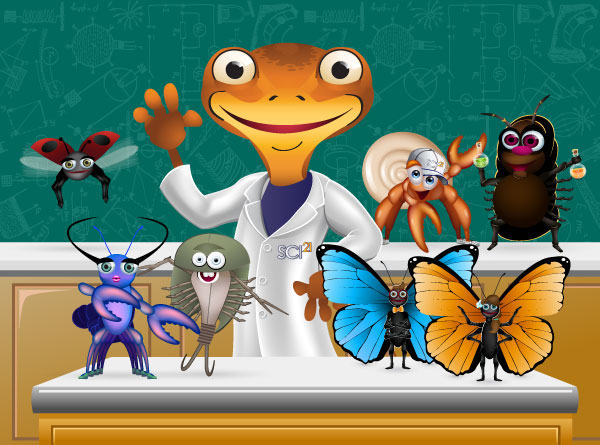
In grades K-6, students receive science instruction with a major emphasis on active participation, hands-on, inquiry-based investigations using the SCIENCE 21kits that have an integrated curriculum which align to the New York State Learning Standards for Mathematics, Science and Technology. Students conduct investigations that explore physical, life, and earth science topics, in which their experiences build conceptual understanding from unit to unit and grade to grade. There are four units at each grade level. The first unit usually deals with science processes and investigative tools. The other units provide relevant, grade-appropriate experiences in physical, earth, and life science. |
 |
Exploring Our World
§ Unit 1: Using My Senses to Learn about and Appreciate Science (Mystery Box)
§ Unit 2: Using My Senses to Learn about Me in My World (human body, senses, health and safety)
§ Unit 3: Using My Senses to Learn about Other Living Things in My World (properties of plants and properties of animals) (newts/ladybugs)
§ Unit 4: Using My Senses to Learn about Non-living Things in My World
Order in our World
§ Unit 1: Organizing Ourselves to do Science Investigations
§ Unit 2: Investigating Attributes and Properties of Objects
§ Unit 3: Identifying the States of Matter
§ Unit 4: Investigating Living Things (hermit crabs)
Measuring Changes in Our World
§ Unit 1: Tools to Measure Our World
§ Unit 2: Observing and Measuring Changes in Energy
§ Unit 3: Observing and Measuring Changes in Living Things (crayfish)
§ Unit 4: Observing and Measuring Changes in the Environment
Cycles in the Natural World
§ Unit 1: How a scientist Investigates Plant Cycles
§ Unit 2: How a scientist Investigates Electricity
§ Unit 3: How a scientist Investigates Water Cycles
§ Unit 4: How a scientist Investigates Animal Cycles (butterflies)
Organization in the Natural World
§ Unit 1: Organizing Ourselves for Doing Science
§ Unit 2: Digestion, Nutrients, Food Chains and Food Webs
§ Unit 3: Simple Machines
§ Unit 4: Organization of the Earth (constructive and destructive forces, rocks and minerals)
§ New York State Science Performance & Written Assessments
Interactions in the Natural World
§ Unit 1: Interactions of Chemical Matter (Focus on controlled studies)
§ Unit 2: Interactions in the Microworld (cells lead into...)
§ Unit 3: Interactions in the Human Body (respiratory/circulatory & muscular/skeletal systems and genetics)
§ Unit 4: Interactions in the Environment - Energy Transfer
Investigations of Science And Technology In Our World
§ Unit 1: Investigating the Nature of Science and Technology
§ Unit 2: Investigating Energy (Electromagnetism, Potential/Kinetic)
§ Unit 3: Investigating Earth In Space
§ Annual Science Fair
-
Exploring Our World
§ Unit 1: Using My Senses to Learn about and Appreciate Science (Mystery Box)
§ Unit 2: Using My Senses to Learn about Me in My World (human body, senses, health and safety)
§ Unit 3: Using My Senses to Learn about Other Living Things in My World (properties of plants and properties of animals) (newts/ladybugs)
§ Unit 4: Using My Senses to Learn about Non-living Things in My World -
Order in our World
§ Unit 1: Organizing Ourselves to do Science Investigations
§ Unit 2: Investigating Attributes and Properties of Objects
§ Unit 3: Identifying the States of Matter
§ Unit 4: Investigating Living Things (hermit crabs) -
Measuring Changes in Our World
§ Unit 1: Tools to Measure Our World
§ Unit 2: Observing and Measuring Changes in Energy
§ Unit 3: Observing and Measuring Changes in Living Things (crayfish)
§ Unit 4: Observing and Measuring Changes in the Environment -
Cycles in the Natural World
§ Unit 1: How a scientist Investigates Plant Cycles
§ Unit 2: How a scientist Investigates Electricity
§ Unit 3: How a scientist Investigates Water Cycles
§ Unit 4: How a scientist Investigates Animal Cycles (butterflies) -
Organization in the Natural World
§ Unit 1: Organizing Ourselves for Doing Science
§ Unit 2: Digestion, Nutrients, Food Chains and Food Webs
§ Unit 3: Simple Machines
§ Unit 4: Organization of the Earth (constructive and destructive forces, rocks and minerals)
§ New York State Science Performance & Written Assessments -
Interactions in the Natural World
§ Unit 1: Interactions of Chemical Matter (Focus on controlled studies)
§ Unit 2: Interactions in the Microworld (cells lead into...)
§ Unit 3: Interactions in the Human Body (respiratory/circulatory & muscular/skeletal systems and genetics)
§ Unit 4: Interactions in the Environment - Energy Transfer -
Investigations of Science And Technology In Our World
§ Unit 1: Investigating the Nature of Science and Technology
§ Unit 2: Investigating Energy (Electromagnetism, Potential/Kinetic)
§ Unit 3: Investigating Earth In Space
§ Annual Science Fair -
customElement.tabbedElement.socialStudies
The Integrated Social Studies/English Language Arts (ELA) Curriculum is a web-based, user-friendly curriculum developed by teachers. The curriculum development process was guided by expert social studies and technology consultants. Following a continuous improvement model, the curriculum is updated annually. The content of the curriculum is based on the New York State Social Studies Core Curriculum, integrates the Next Generation Learning Standards for ELA, and incorporates the C3 inquiries.
Balanced Literacy Connections
A strong literature component is one hallmark of this program. For each lesson, read-alouds are identified and annotated. Questioning strategies are presented. To support a balanced literacy classroom, teachers can access guided reading suggestions, ideas for using varied genre, and leveled book lists. Writing tasks ask students to compare and contrast, state a point of view, write persuasively, write a letter, and answer document-based questions.
Getting to Know Myself and Others
- Myself and Others
- How Can I Be a Good Citizen?
- Understanding Want and Needs
My Family and Other Families Now and Long Ago
- Rules and Laws
- Unity in Community
- We Are Family
- Economics
My Community and Other United States Communities
- Active Citizenship
- Rural, Urban and Suburban
- Geography of Communities
- Change and Interdependence in Communities
Communities Around the World: Learning about People and Places
- Geography
- Brazil
- China
- United States
New York State History and Government
- The Three Worlds: Native Americans, Europeans and Africans Meet in NYS
- The Impact of the Colonial & Revolutionary War Period on New York and the New Nation
- The Impact of the Industrial Revolution on New York State
- National and Local Government
The Western Hemisphere:
The United States, Canada & Latin America
- Geography: Western Hemisphere
- Economics: Needs and Wants
- Government: What is Government Anyway?
- History: Turning Points in the Western Hemisphere
- Cultural Diversity: Hands across the Hemispheres
Coming Soon
Free Rice
A fun, interactive game allows students (and teachers) to test their knowledge as well as help fight hunger! For every question that is correctly answered, Free Rice donates ten grains of rice through the U.N. World Food Program to help fight world hunger. The more you play, the more rice you help donate. Now offers question topics such as art, chemistry, geography, grammar, language learning, and math
GeoNet Game
Houghton Mifflin’s Social Studies GeoNet game. Click on“Play GeoNet” and then the map of Africa. Test your knowledge of the following categories: The World in Spatial Terms, Places and Regions; Physical Systems; Population; Culture and Independence; Environment and Society; and Geography.
Geography Games For Kids
These fun and educational games were developed to help students develop and sharpen their geography skills.
Financial Literacy: Squidoo & The Mint
These sites offer free games and interactive lessons designed to help your kids learn about money and improve critical skills in financial literacy
-
Getting to Know Myself and Others
- Myself and Others
- How Can I Be a Good Citizen?
- Understanding Want and Needs
-
My Family and Other Families Now and Long Ago
- Rules and Laws
- Unity in Community
- We Are Family
- Economics
-
My Community and Other United States Communities
- Active Citizenship
- Rural, Urban and Suburban
- Geography of Communities
- Change and Interdependence in Communities
-
Communities Around the World: Learning about People and Places
- Geography
- Brazil
- China
- United States
-
New York State History and Government
- The Three Worlds: Native Americans, Europeans and Africans Meet in NYS
- The Impact of the Colonial & Revolutionary War Period on New York and the New Nation
- The Impact of the Industrial Revolution on New York State
- National and Local Government
-
The Western Hemisphere:
The United States, Canada & Latin America- Geography: Western Hemisphere
- Economics: Needs and Wants
- Government: What is Government Anyway?
- History: Turning Points in the Western Hemisphere
- Cultural Diversity: Hands across the Hemispheres
-
Coming Soon
-
Free Rice
A fun, interactive game allows students (and teachers) to test their knowledge as well as help fight hunger! For every question that is correctly answered, Free Rice donates ten grains of rice through the U.N. World Food Program to help fight world hunger. The more you play, the more rice you help donate. Now offers question topics such as art, chemistry, geography, grammar, language learning, and mathGeoNet Game
Houghton Mifflin’s Social Studies GeoNet game. Click on“Play GeoNet” and then the map of Africa. Test your knowledge of the following categories: The World in Spatial Terms, Places and Regions; Physical Systems; Population; Culture and Independence; Environment and Society; and Geography.Geography Games For Kids
These fun and educational games were developed to help students develop and sharpen their geography skills.Financial Literacy: Squidoo & The Mint
These sites offer free games and interactive lessons designed to help your kids learn about money and improve critical skills in financial literacy
Curriculum Guides
customElement.tabbedElements
customElement.tabbedElement.firstGuide
customElement.tabbedElement.secondGuide
customElement.tabbedElement.thirdGuide
customElement.tabbedElement.fourthGuide
customElement.tabbedElement.fifthGuide
customElement.tabbedElement.sixthGuide
-
customElement.tabbedElement.firstGuide
-
customElement.tabbedElement.secondGuide
-
customElement.tabbedElement.thirdGuide
-
customElement.tabbedElement.fourthGuide
-
customElement.tabbedElement.fifthGuide
-
customElement.tabbedElement.sixthGuide
customElement.tabbedElement.firstGuide
|
Literacy Skills
Expected Reading Behaviors
Resources
|
Math Skills
Resources
|
Science Skills
Resources
|
|
Computer Science & Digital Fluency Skills
Resources
|
Social Studies Skills
Resources
|
Social Emotional Learning Skills
Resources
|
|
Family Engagement
|
Enrichment
|
|
Literacy Skills
Expected Reading Behaviors
Resources
|
Math Skills
Resources
|
Science Skills
Resources
|
||
|
Computer Science & Digital Fluency Skills
Resources
|
Social Studies Skills
Resources
|
Social Emotional Learning Skills
Resources
|
||
|
Family Engagement
|
Enrichment
|
|
Literacy Skills
Expected Reading Behaviors
Resources
|
Math Skills
Resources
|
Science Skills
Resources
|
|
Computer Science & Digital Fluency Skills
Resources
|
Social Studies Skills
Resources
|
Social Emotional Learning Skills
Resources
|
|
Family Engagement
|
Enrichment
|
-
Literacy
Skills
- Review letter formation
- Blending, spelling, and segmenting CVC Words (cat, zip, etc.) and digraph concepts (sh, ch, th, etc.)
- Identifying parts of speech: nouns and verbs
- Writing and punctuating sentences
- Commas in a series
- Planning, drawing & writing a narrative
- Retelling a story/Summarizing
- Elements of fiction and non-fiction
Expected Reading Behaviors
- Expected Reading Level: D-F
- Recognize high frequency words
- Use beginning and end of words to solve
- Monitor for accuracy by identifying letter sounds
- Notice and use punctuation in oral reading
Resources
- eSpark Reading
- Learning A-Z
- Fundations
- ThinkCentral
- BrainPop Jr.
- Starfall
Math
Skills
- Using doubles to solve addition problems
- Patterns in addition
- Partners of numbers within 10
- Patterns
- Addition/Subtraction Equations within 10
- Number stories
- Counting on to solve addition equations
- Money concepts - Nickels and Pennies
Resources
- eSpark Math
- Think Central
- Personal Math Trainer
- Starfall
- BrainPop Jr.
- Math Expressions Homework and Remembering
Science
Skills
- Daily Patterns of the Sun
- Shadow
- Phases of the Moon
Resources
- BrainPop Jr.: Sun
- BrainPop Jr.: Moon
- BrianPop Jr.: Light
Computer Science & Digital Fluency
Skills
- Getting to know your iPad and basic troubleshooting
- Accessing ClassLink using Username and Password
- Keeping password information private
Resources
- ClassLink
- Please practice logging into ClassLink with your child to build independence
Social Studies
Skills
- Citizenship: Rules and Laws
- Constitution Day
- Family
Resources
- BrainPop Jr.
- Putnam BOCES
Social Emotional Learning
Skills
- Listen and follow directions/routines
- Recognize and label emotions in one’s self and others
- Engage in play with peers, taking turns and sharing
Resources
- The RULER anchor tools (Class Charter, Mood Meter, Meta-Moment, Blueprint)
Family Engagement
- Meet the Teacher Night 9/10/25
- Marking Period 1 Progress Reports 10/24/25
- American Education Week- Week of 11/17/25
- Marking Period 1 Report Cards 12/5/25
- Check the calendar for PTA & School Events
Enrichment
- Literacy and Math Centers
- Individualized digital learning pathways(eSpark)
-
Literacy
Skills
- Story Structure
- Visualizing
- Synonyms
- Informational Writing
- Author’s Purpose
- Proper Nouns
- Subjects and Verbs
- CVC Words
- Cause and Effect
- Questioning Skills
- Sequencing Events
- Compare & Contrast
- Making Inferences & Predictions
- Main Idea & Details
- Suffix endings (-s, -es, -ed, -ing, -er, -est, -y, -ful)
Expected Reading Behaviors
- Expected Reading Level: F (December), H (March)
- Practice reading silently at home
- Practice reading words with multi-syllables and contractions
- Able to read dialogue with appropriate word stress and phrasing
Resources
- eSpark Reading
- Learning A-Z
- Fundations
- ThinkCentral
- BrainPop Jr.
- Starfall
Math
Skills
- Unknown numbers in Addition and Subtraction (Math Mountains/Fact Families)
- Place Value
- Tens
- Grouping Teens
- Place Value to 100
- Two Digit Addition
- Money Concepts
- Organizing and Sorting Data into Tables and Graphs
- Comparison Bars
Resources
- eSpark Math
- Think Central
- Starfall
- Math Expressions
Science
Skills
- Waves: Light & Sound
- Vibrations
- Illumination
Resources
- BrainPop Jr.
- Science21
Computer Science & Digital Fluency
Skills
- Getting to know your iPad and basic troubleshooting
- Accessing ClassLink using Username and Password
- Keeping Password Information Private
Resources
- Technology Resources
- Google Drive
- Continue practicing logging into Google and ClassLink to promote independence
Social Studies
Skills
- We Are Family!
Resources
- Putnam BOCES
- BrainPop Jr.
- PebbleGo
Social Emotional Learning
Skills
-
Self-Awareness
- Identify basic feelings (happy, sad, angry, scared, excited, frustrated).
- Notice how emotions feel in the body.
- Identify personal strengths.
-
Self-Management
- Use simple strategies to calm down (breathing, counting, movement).
- Follow classroom routines with reminders.
- Begin practicing “pause before reacting.”
- Try again after making a mistake.
-
Social Awareness
- Show kindness through small actions (helping, sharing).
- Understand that people may feel differently about the same situation.
Resources
- EdClub
- The RULER anchor tools (Class charter, Mood Meter, Meta-moment, Blueprint)
Family Engagement
- Parent Teacher Conferences 12/10/25
- Marking Period 2 Progress Report 1/30/26
- Marking Period 2 Report Cards 3/19/26
- Check the calendar for PTA & School Events
Enrichment
- Literacy and Math Centers
- Individualized student pathways(eSpark)
-
Literacy
Skills
- Summarize using main ideas and details
- Reading words with r-controlled blends (er, ir, ur, ar, or, ore)
- Writing an opinion piece with correct capitalization and punctuation
- Identify character traits in a story
- Compare and contrast characters and stories
Expected Reading Behaviors
- Expected Reading Level: I(April/May), J(June)
- Search for information across chapters connected to a single plot
- Read orally with appropriate phrasing, tone, stress and rate.
Resources
- eSpark Reading
- Learning A-Z
- Ask questions while your child is reading such as “How would you compare these two characters” or “How does this character feel?”
Math
Skills
- Represent and solve addition and subtraction word problems
- Add and subtract within 20 using different strategies
- Find the unknown value in an equation (partners, sum, or difference)
- Counting forwards and backwards to 120
- Understand place value of ones and tens
- Compare two digit numbers
- Utilize the Make a Ten strategy while adding or subtracting numbers within 20
Resources
- eSpark Math
- Think Central
- Personal Math Trainer
- Ask questions while your child is completing their math homework such as “What strategy can you use to make adding these numbers easier” and “Which number in this equation is a partner and which is a total?”
Science
Skills
- Genetics: Understanding similarities and differences between parents and offspring
Resources
- BrainPop Jr.
- PebbleGo
Computer Science & Digital Fluency
Skills
- Use a digital tool/app to create a digital artifact
- Conduct a search based on a provided keyword
Resources
- Logging into ClassLink on their own
- Google Slides
- Book Creator
- Google Search
Social Studies
Skills
- Community Economics: Identify and explain differences between wants and needs
- Geography
Resources
- BrainPop Jr.
Social Emotional Learning
Skills
-
Relationship Skills
- Take turns in partner and group work.
- Use kind words during disagreements.
- Ask an adult for help when conflict feels too big.
-
Responsible Decision-Making
- Make choices that keep themselves and others safe.
- Think: “Is this helpful or hurtful?” before acting.
- Take responsibility for mistakes.
- Use technology safely with reminders.
Resources
- EdClub
- The RULER anchor tools (Class charter, Mood Meter, Meta-moment, Blueprint)
Family Engagement
- Parent Teacher Conferences, 3/25/26 & 3/31/26
- Marking Period 3 Progress Report 5/15/26
- District Art Show 5/19/26
- Marking Period 3 Report Cards, 6/26/26
- Check the calendar for PTA & School Events
Enrichment
- Field Trip
- District field trip to Washington Avenue Learning Center to learn about animal life cycles
- Literacy and Math Centers
- Push In Enrichment for All-Fairytale Engineering Tasks
- Long Island Children’s Museum Workshop
customElement.tabbedElement.secondGuide
|
Literacy Skills
Expected Reading Behaviors
Resources
|
Math Skills
Resources
|
Science Skills
Resources
|
|
Computer Science & Digital Fluency Skills
Resources |
Social Studies Skills
Resources
|
Social Emotional Learning Skills
Resources
|
|
Family Engagement
|
Enrichment
|
|
Literacy Skills
Expected Reading Behaviors
Resources
|
Math Skills
Resources
|
Science Skills
Resources
|
|
Computer Science & Digital Fluency Skills
Resources
|
Social Studies Skills
Resources
|
Social Emotional Learning Skills
Resources
|
|
Family Engagement
|
Enrichment
|
|
Literacy Skills
Expected Reading Behaviors
Resources
|
Math Skills
Resources
|
Science Skills
Resources
|
|
Computer Science & Digital Fluency Skills
Resources
|
Social Studies Skills
Resources
|
Social Emotional Learning Skills
Resources
|
|
Family Engagement
|
Enrichment
|
-
Literacy
Skills
- Using illustrations and details to discuss stories
- Reading with expression
- Cause and Effect
- Text & Graphic Features
- Author’s Purpose
- Story Structure
- Main Idea & Details
Expected Reading Behaviors
- Expected Reading Level: Independent I
- Uses context clues when figuring out words
- Listens to their own reading and self-corrects
- Reads with expression
- Makes predictions based on prior knowledge
Resources
- Learning A-Z
- TC Units of Study: Reading
- Fundations
- Classroom Library
- eSpark
Math
Skills
- Review making a ten
- Addition and subtraction within 20
- Create and solve word problems
- Addition within 200
- Fluency of addition within 100
- Money - Pennies, Nickels, and Dimes
Resources
- eSpark Math
- Math Expressions Homework and Remembering
Science
Skills
- Ask & Answer Questions
- Follow Scientific Method, Plan & Conduct Experiments
- Make Observations & Gather Information
- Record & Analyze Data
- Classify Objects/Materials using Properties
Resources
- Science 21 Curriculum
Computer Science & Digital Fluency
Skills
- Digital Citizenship
- iPad Skills
- Customize Dock
- Utilize Control Center Features
- Record a Voice Memo
- Google Drive
- Create and Share a File/Folder
- Keyboarding Skills
- Type Sentences with proper punctuation
- Google Classroom
- Post a Comment
- Utilize Stream tab
- Submit/Unsubmit an assignment
- Google Meet
- Turn On/Off Microphone
- Raise Hand
- Google Docs/Pages
- Word Processing Skills
Resources
Social Studies
Skills
- Identify Symbols & Meanings
- Characteristics of Citizenship
- Constitution Day
Resources
- Putnam BOCES Curriculum
Social Emotional Learning
Skills
- Follow school rules and classroom expectations
- Respects the difference and rights of self and others
- Identifies emotions in different situations
- Expresses emotions appropriately
- Accepts responsibility by demonstrating self control
Resources
- The RULER anchor tools (Class Charter, Mood Meter, Meta-Moment, Blueprint)
Family Engagement
- Meet the Teacher Night 9/10/25
- Marking Period 1 Progress Reports 10/24/25
- American Education Week- Week of 11/17/25
- Marking Period 1 Report Cards 12/5/25
- Check the calendar for PTA & School Events
Enrichment
- Literacy and Math Centers
- Individualized digital learning pathways(eSpark)
-
Literacy
Skills
- Fact & Opinion
- Drawing Conclusions
- Text & Graphic Features
- Cause & Effect
- Main Idea & Details
- Author’s Purpose
- Story Structure
- Sequence of Events
- Understanding Characters
Expected Reading Behaviors
- Expected Reading Level: Independent J
- Listens to their own reading and self-corrects
- Reads silently at an average rate
- Predicts the problem and solution before reading about it
Resources
- Learning A-Z
- TC Units of Study: Reading
- Fundations
- Classroom Library
- eSpark
Math
Skills
- Using rulers to measure length
- Two and Three dimensional shapes
- Use measurement skills to collect and interpret data on line plots
- Subtract two digit numbers
- Use place value concepts to subtract numbers within 200
- Working towards fluency of subtraction within 100
- Money-Quarters
Resources
- eSpark Math
- Math Expressions
Science
Skills
- Identify Water/Land & Ways Land Changes
- Create a Model of Land/Water
- Plan & Conduct Investigation for Connection between Sunlight and Plants
- Identify Ways Plants & Animals Rely on One Another
- Measure/Observe Plant Growth Over Time
- Create Diagrams
Resources
- Science 21 Curriculum
Computer Science & Digital Fluency
Skills
- Google Drive
- Create, name & rename a File/Folder
- Keyboarding Skills
- Touch typing using proper ergonomics
- Google Docs/Pages
- Word Processing Skills
- Inserting text features in documents ie. tables, images, etc.
- Formatting documents ie. fonts, sizes, colors, etc.
- Word Processing Skills
Resources
- Typing Club
- ClassLink
- GoogleDrive
- Computer Science & Digital Fluency Standards
Social Studies
Skills
- Identify Types of Communities
- Compare/Contrast Communities
Resources
- Putnam BOCES Curriculum
Social Emotional Learning
Skills
-
Self-Awareness
- Use a wider feeling vocabulary (proud, worried, disappointed, confused).
- Identify what triggers certain emotions.
- Recognize personal strengths and areas they want to improve.
-
Self-Management
- Begin to manage frustration using calming/coping strategies.
- Follow routines without reminders.
-
Social Awareness
- Recognize that others have different feelings, preferences, and needs.
- Show empathy by listening and responding kindly
Resources
- EdClub
- The RULER anchor tools (Class charter, Mood Meter, Meta-moment, Blueprint)
Family Engagement
- Parent Teacher Conferences 12/10/25
- Marking Period 2 Progress Report 1/30/26
- Marking Period 2 Report Cards 3/19/26
- Check the calendar for PTA & School Events
Enrichment
- Learning Lab @ WAKC Trip - Planetarium
- Literacy and Math Centers
- Individualized digital learning pathways(eSpark)
- Push-In enrichment module
-
Literacy
Skills
- Fact & Opinion
- Sequence of Events
- Understanding Characters
- Compare & Contrast
Expected Reading Behaviors
- Expected Reading Level: Independent K
- Uses various strategies when figuring out unknown words
- Reading voices sounds like conversation voice
- Thinks about new information learned through text and relates it to previous knowledge
Resources
- Learning A-Z
- TC Units of Study: Reading
- Fundations
- Classroom Library
- eSpark
Math
Skills
- Write and tell time to five minutes using AM,PM
- Make/Read picture and bar graphs
- Solve put together/take apart and compare word problems
- 3 digit addition and subtraction
- Compare and order number up to 1,000
- Solve addition and subtraction problems to 1,000
- Arrays and equal shares
- Relate addition and subtraction to length
Resources
- eSpark Math
- Math Expressions Homework and Remembering
Science
Skills
- Complete Research/Writing Project
- Gather Information
- Identify Different Habitats
- Ecosystems
- Habitats
Resources
- Science 21 Curriculum
- Mystery Science
Computer Science & Digital Fluency
Skills
- Google Drive
- Organize and categorize files/folders
- Keyboarding Skills
- Continue increasing speed and accuracy while touch typing using proper ergonomics
- Google Docs/Pages
- Word Processing Skills
- Collaborate and share within groups and partners
Resources
- ClassLink
- Typing Club
- Google Drive
Social Studies
Skills
- Identify Ways Things Change Over Time
- Explain How Where you live Affects How You Live
- Characteristics of Citizenship
Resources
- Putnam BOCES Curriculum
Social Emotional Learning
Skills
-
Relationship Skills
- Work cooperatively in small groups.
- Express wants/needs using “I” statements.
- Solve small conflicts with classmates using calm words.
-
Responsible Decision-Making
- Think through consequences (“What might happen if…?”).
- Make choices aligned to class expectations/ Charter.
- Demonstrate safe, kind behavior with fewer reminders.
Resources
- EdClub
- The RULER anchor tools (Class charter, Mood Meter, Meta-moment, Blueprint)
Family Engagement
- Parent Teacher Conferences, 3/25/26 & 3/31/26
- Marking Period 3 Progress Report 5/15/26
- District Art Show 5/19/26
- Marking Period 3 Report Cards, 6/26/26
- Check the calendar for PTA & School Events
Enrichment
- Submerge Storytelling: Interactive in-school literacy workshop
- Field Trip
- Literacy and Math Centers
- Individualized digital learning pathways(eSpark)
customElement.tabbedElement.thirdGuide
Beginning of the Year Routines
Make sure your child has their homework and supplies daily. Their iPad should be fully-charged nightly. All of our apps for curriculum can be found on the iPad in ClassLink
|
Literacy Skills
Expected Reading Behaviors
Resources
|
Math Skills
Resources
|
Science Skills
Resources
|
|
Computer Science & Digital Fluency Skills
Resources
|
Social Studies Skills
Resources
|
Social Emotional Learning Skills
Resources
|
|
Family Engagement
|
Enrichment
|
|
Literacy Skills
Expected Reading Behaviors
Resources
|
Math Skills
Resources
|
Science Skills
Resources
|
|
Computer Science & Digital Fluency Skills
Resources
|
Social Studies Skills
Resources
|
Social Emotional Learning Skills
Resources
|
|
Family Engagement
|
Enrichment
|
|
Literacy Skills
Expected Reading Behaviors
Resources
|
Math Skills
Resources
|
Science Skills
Resources
|
|
Computer Science & Digital Fluency Skills
Resources
|
Social Studies Skills
Resources
|
Social Emotional Learning Skills
Resources
|
|
Family Engagement
|
Enrichment
|
-
Beginning of the Year Routines
Make sure your child has their homework and supplies daily. Their iPad should be fully-charged nightly. All of our apps for curriculum can be found on the iPad in ClassLink
Literacy
Skills
- Analyze story structure
- Drawing conclusions
- Understanding character traits
- Compare and Contrast
- Visualization
- Sequence of Events
- Text and Graphic features
- Cause and effect
- Main Idea and details
Expected Reading Behaviors
- Expected Reading Level: M(Sep/Oct) / N (Nov/Dec)
- Students should be able to support all thinking evidence from the text.
Resources
- IntoReading
- iXL
- Sadlier Vocabulary Workshop
- Independent Leveled Readers
Math
Skills
- Review multi-digit addition/subtraction methods
- Multiplication and Division facts from 0-10
Resources
- iXL
- Think Central
- Personal Math Trainer
- Google Classroom
Science
Skills
- Forces and their interactions
- Magnetism
- Analyze and Interpret fossil data
- Habitats
Resources
- Science21
- Mystery Science
- BrainPop
- PebbleGo
- iXL
Computer Science & Digital Fluency
Skills
- Students will develop and strengthen their skills and knowledge of Digital Fluency and Google applications (Forms, Docs, Slides, etc.) through various assignments/projects.
Resources
- Google Classroom
- Google Slides
- Google Forms
- ClassLink
- NWEA
Social Studies
Skills
- Demonstrate knowledge of Map Skills
- Gain a greater understanding of Holidays around the world
- Research the contributions of Indigenous people
- Identify important figures in Hispanic History
- United States Government Unit Study
Resources
- PebbleGo.com
- PNWBOCES.org
- BrainPop
Social Emotional Learning
Skills
- Listening and following directions/classroom routines
- Recognize, understand, and label emotions of one’s self and others
- Begin to recognize why you feel a certain way and what triggers emotions
- Practice respectful listening in circles and pair-shares.
Resources
- The RULER anchor tools (Class Charter, Mood Meter, Meta-Moment, Blueprint)
Family Engagement
- Meet the Teacher Night 9/10/25
- Marking Period 1 Progress Reports 10/24/25
- American Education Week- Week of 11/17/25
- Marking Period 1 Report Cards 12/5/25
- Check the calendar for PTA & School Events
Enrichment
- Project-based learning
- Individualized digital pathways(iXL)
- Push-In Enrichment for All, Cardboard Box Challenge
-
Literacy
Skills
- Understand character traits
- Analyze story structure
- Distinguish between cause and effect
- Determine meaning of unknown words using context clues
- Analyze illustrations
- Explain story’s message
Expected Reading Behaviors
- Expected Reading Level: N (Nov/Dec) / O (Feb/March)
- Students should be able to support all thinking with evidence from the text
Resources
- IntoReading
- Sadlier Vocabulary Workshop
- Independent Leveled Readers
- iXL
Math
Skills
- Apply multi-digit addition/subtraction methods
- Multi-digit multiplication
- Use strategies to solve multi-step word problems
- Understand place value through hundred thousands
- Round numbers to the nearest hundred and thousands
- Develop an understanding of unit fractions
- Find elapsed time in hours and minutes
- Represent data and solve problems on a pictograph and bar graph
Resources
- iXL
- Think Central
- Personal Math Trainer
Science
Skills
- Forces and their interactions
- Analyze and interpret data Inheritance Life Cycles
- Butterfly Observations
Resources
- Science21
- Mystery Science
- BrainPop
- iXL
Computer Science & Digital Fluency
Skills
- Students will develop and strengthen their skills and knowledge of Digital Fluency and Google applications (Forms, Docs, Slides, etc.) through various assignments/projects.
Resources
- Google Classroom
- Google Slides
- Google Forms
- ClassLink
- NWEA
Social Studies
Skills
- Demonstrate knowledge of Map Skills
- Gain a greater understanding of Holidays around the world
- Research the contributions of African American leaders and inventors
- Identify important figures in Womens History
- Various continent unit studies
Resources
- PebbleGo.com
- PNWBOCES.org
- BrainPop
Social Emotional Learning
Skills
-
Self-Awareness
- Identify mixed feelings or feeling two things at once.
- Understand how emotions affect learning and attention.
- Begin self-reflection after challenges.
-
Self-Management
- Use self-calming strategies before reacting in conflicts.
- Manage time and materials more independently.
- Set personal and academic goals and track simple progress.
-
Social Awareness
- Understand multiple perspectives in real-life scenarios.
- Recognize how their actions may affect others.
- Show compassion by acknowledging peers’ experiences.
Resources
- EdClub
- The RULER anchor tools (Class charter, Mood Meter, Meta-moment, Blueprint)
Family Engagement
- Parent Teacher Conferences 12/10/25
- Marking Period 2 Progress Report 1/30/26
- Marking Period 2 Report Cards 3/19/26
- Check the calendar for PTA & School Events
Enrichment
- Long Island Children’s Museum Workshop
- Project-based learning
- Individualized digital pathways(iXL)
-
Literacy
Skills
- Text & Graphic Features
- Story Structure
- Main Idea and Details
- Compare and Contrast
- Sequence of Events
- Author’s Purpose
- Cause and Effect
- Fact and Opinion
- Understanding Characters
- Drawing Conclusions
Expected Reading Behaviors
- Expected Reading Level: O/P
- Fluent with understanding and application of skills learned.
Resources
- IntoReading
- Sadlier Vocabulary Workshop
- Independent Leveled Readers
- iXL
Math
Skills
- Measurement & Fractions
- Writing Equations to Solve Problems
- Measurement & Polygons
- 2nd Grade Skill Review
- Adding & Subtracting within 1000 (with & without grouping)
- Place Values
- 4th Grade Prep
- Multi Digit Multiplication
- Long Division
- Multi Step/Operation Word Problems
Resources
- iXL
- Think Central
- Personal Math Trainer
- Google Classroom
Science
Skills
- Weather the Water Cycle
- Inheritance Life Cycles
- Butterfly Observations
Resources
- Science21
- Mystery Science
- BrainPop
- iXL
Computer Science & Digital Fluency
Skills
- Students will develop and strengthen their skills and knowledge of Digital Fluency and Google applications (Forms, Docs, Slides, etc.) through various assignments/projects.
Resources
- Google Classroom
- Google Slides
- Google Forms
- ClassLink
- NWEA
Social Studies
Skills
- Study of Brazil
- Study of Kenya
- Women in History Project
- Multicultural Night Project
Resources
- PebbleGo.com
- PNWBOCES.org
- BrainPop
Social Emotional Learning
Skills
-
Relationship Skills
- Collaborate with peers in groups.
- Give and receive feedback respectfully.
- Resolve small peer conflicts with minimal adult support.
-
Responsible Decision-Making
- Identify problems and brainstorm solutions.
- Evaluate whether choices match personal and community values.
- Make safer, more responsible decisions including technology use.
Resources
- EdClub
- The RULER anchor tools (Class charter, Mood Meter, Meta-moment, Blueprint)
Family Engagement
- Parent Teacher Conferences, 3/25/26 & 3/31/26
- Marking Period 3 Progress Report 5/15/26
- District Art Show 5/19/26
- Marking Period 3 Report Cards, 6/26/26
- Check the calendar for PTA & School Events
Enrichment
- Field trip
- Project Based Learning
- Individualized digital pathways(iXL)
customElement.tabbedElement.fourthGuide
|
Literacy Skills
Expected Reading Behaviors
Resources
|
Math Skills
Resources
|
Science Skills
Resources
|
|
Computer Science & Digital Fluency Skills
Resources
|
Social Studies Skills
Resources
|
Social Emotional Learning Skills
Resources
|
|
Family Engagement
|
Enrichment
|
|
Literacy Skills
Expected Reading Behaviors
Resources
|
Math Skills
Resources
|
Science Skills
Resources
|
|
Computer Science & Digital Fluency Skills
Resources
|
Social Studies Skills
Resources
|
Social Emotional Learning Skills
Resources
|
|
Family Engagement
|
Enrichment
|
|
Literacy Skills
Expected Reading Behaviors
Resources
|
Math Skills
Resources
|
Science Skills
Resources
|
|
Computer Science & Digital Fluency Skills
Resources
|
Social Studies Skills
Resources
|
Social Emotional Learning Skills
Resources
|
|
Family Engagement
|
Enrichment
|
-
Literacy
Skills
- Analyze characters through their actions, thoughts, and words.
- Understand and determine the author’s purpose
- Determine the theme or central message of a story
- Analyze different points of view
- Determine cause/effect relationships
- Determine the meaning of unknown and unfamiliar words
Expected Reading Behaviors
- Expected Reading Level: P (Sept.), Q (Nov.)
Resources
- Into Reading Textbook
- iXL
Math
Skills
- 3rd Grade Review of Operations and Place Value
- Place Value to One Million
- Addition/Subtraction of greater numbers
- Multiplication with Tens and Hundreds
- Multiply with One-Digit Numbers
- Multiply with Two-Digit Numbers
- Multiply with Thousands
Resources
- Math Expressions
- iXL
- Personal Math Trainer
Science
Skills
- Life Sciences: Structure, Function, and Information Processing (Animal/Plan Systems)
Resources
- Science21
- Mystery Science
- iXL
Computer Science & Digital Fluency
Skills
- Use Google Classroom to access material
- Use Google Workspace for assignments
Resources
- Google Classroom
- Google Slides
- Google Docs
Social Studies
Skills
- National and Local Government
- Branches of Government
- U.S Constitution/Bill of Rights
- Change comes to NY (Westward Movement, Erie Canal, Immigration, etc.)
Resources
- Putnam BOCES SS/ELA Curriculum
- Social Studies Weekly
Social Emotional Learning
Skills
- Build active listening skills
- Identify emotions in self and others
- Recognize how emotions show up in body signals and thoughts
- Practice calming strategies: breathing, visualization, movement, positive self-talk
Resources
- The RULER anchor tools (Class Charter, Mood Meter, Meta-Moment, Blueprint)
Family Engagement
- Meet the Teacher Night 9/10/25
- Marking Period 1 Progress Reports 10/24/25
- American Education Week- Week of 11/17/25
- Marking Period 1 Report Cards 12/5/25
- Check the calendar for PTA & School Events
Enrichment
- Enrichment for All Push-In Module
- Classroom project based learning
- Individualized digital pathways(iXL)
- Journeys into Native American Territories Workshop
-
Literacy
Skills
- Analyze story structure within a dramatic play
- Distinguish between facts and opinions within a text
- Understand characters’ points of view
- Draw conclusions and generalizations within a text
- Character analysis within a novel study
- Determine the meaning of unknown and unfamiliar words
Expected Reading Behaviors
- Expected Reading Level: Q (Dec), R (Feb/March)
Resources
- Into Reading Textbook
- iXL
Math
Skills
- Multi-Digit Division
- Area and Perimeter
- Fraction Concepts and Operations
- Equivalent Fractions
- Classifying, Measuring and Drawing Angles with a protractor
- Classifying types of lines
- Classifying triangles by types of angles and side lengths
Resources
- Math Expressions
- iXL
- Personal Math Trainer
Science
Skills
- Life Sciences Unit Assessment
- Energy: Transfer of energy, Relationship between speed and energy, Potential vs. Kinetic Energy
Resources
- Science21
- Mystery Science
- iXL
Computer Science & Digital Fluency
Skills
- Strengthen skills within Google Workspace applications (Sheets, Docs, Slides, etc.)
Resources
- Google Classroom
- Google Slides
- Google Docs
Social Studies
Skills
- Colonial Life in New York
- Revolutionary War
Resources
- Putnam BOCES SS/ELA Curriculum
- Social Studies Weekly
- C3 Inquiries
Social Emotional Learning
Skills
-
Self-Awareness
- Describe emotions with nuance (overwhelmed, discouraged, grateful).
- Analyze how thoughts influence emotions and actions.
- Identify personal emotional triggers.
-
Self-Management
- Use the Meta-Moment to pause and reflect when feeling frustrated or upset.
- Persist through longer or more complex tasks.
-
Social Awareness
- Demonstrate deeper empathy by considering different perspectives.
- Recognize group dynamics and how to include others.
Resources
- EdClub
- The RULER anchor tools (Class charter, Mood Meter, Meta-moment, Blueprint)
Family Engagement
- Parent Teacher Conferences 12/10/25
- Marking Period 2 Progress Report 1/30/26
- Marking Period 2 Report Cards 3/19/26
- Check the calendar for PTA & School Events
Enrichment
- Classroom project based learning
- Long Island Children’s Museum Workshop-
- Individual digital pathways(iXL)
-
Literacy
Skills
- Understand and determine the author’s purpose
- Identify text and graphic features
- Determine sequence of events
- Draw conclusions and generalizations within a text
- Summarize a text
- Determine main idea and supporting details
Expected Reading Behaviors
- Expected Reading Level: S (April), S/T (June)
Resources
- Into Reading Textbook
- iXL
Math
Skills
- Classifying Quadrilaterals
- Identifying lines of symmetry
- Solve single and multi-step word problems
- Analyze patterns
- Understand decimals (tenths and hundredths)
- Convert metric units of measurement
- Convert customary units of measurement
Resources
- Math Expressions
- iXL
- Personal Math Trainer
Science
Skills
- Waves: Waves and Information
- Earth Systems: Processes that Shape the Earth
Resources
- Science21
- Mystery Science
- iXL
Computer Science & Digital Fluency
Skills
- Strengthen skills within Google Workspace applications (Sheets, Docs, Slides, etc.)
Resources
- Google Classroom
- Google Slides
- Google Docs
Social Studies
Skills
- National and Local Government
- Branches of Government
- U.S Constitution/Bill of Rights
- Change comes to NY (Westward Movement, Erie Canal, Immigration, etc.)
Resources
- Putnam BOCES SS/ELA Curriculum
- Social Studies Weekly
Social Emotional Learning
Skills
-
Relationship Skills
- Lead productive group discussions and roles.
- Navigate disagreements using respectful dialogue.
- Offer help to peers in appropriate and supportive ways.
-
Responsible Decision-Making
- Analyze cause-and-effect in social situations.
- Consider long-term consequences of actions.
- Apply safe, ethical digital behavior independently.
Resources
- EdClub
- The RULER anchor tools (Class charter, Mood Meter, Meta-moment, Blueprint)
Family Engagement
- Parent Teacher Conferences, 3/25/26 & 3/31/26
- Marking Period 3 Progress Report 5/15/26
- District Art Show 5/19/26
- Marking Period 3 Report Cards, 6/26/26
- Check the calendar for PTA & School Events
Enrichment
- Field Trip
- Classroom project-based learning
- Individualized digital pathways(iXL)
customElement.tabbedElement.fifthGuide
|
Literacy Skills
Expected Reading Behaviors
Resources
|
Math Skills
Resources
|
Science Skills
Resources
|
|
Computer Science & Digital Fluency Skills
Resources
|
Social Studies Skills
Resources
|
Social Emotional Learning Skills
Resources
|
|
Family Engagement
|
Enrichment
|
|
Literacy Skills
Expected Reading Behaviors
Resources
|
Math Skills
Resources
|
Science Skills
Resources
|
|
Computer Science & Digital Fluency Skills
Resources
|
Social Studies Skills
Resources
|
Social Emotional Learning Skills
Resources
|
|
Family Engagement
|
Enrichment
|
|
Literacy Skills
Expected Reading Behaviors
Resources
|
Math Skills
Resources
|
Science Skills
Resources
|
|
Computer Science & Digital Fluency Skills
Resources
|
Social Studies Skills
Resources
|
Social Emotional Learning Skills
Resources
|
|
Family Engagement
|
Enrichment
|
-
Literacy
Skills
- Summarize the main idea of a fiction or nonfiction text
- Determine the theme of a story
- Create inferences/predictions using background knowledge and details from the text
- Compare and contrast characters, setting, or events, drawing on details
Expected Reading Behaviors
- Expected Reading Level: S/T (Start)
- Students should be able to:
- Reading stamina of at least 20 minutes
- Read closely to determine what the text says explicitly
Resources
- Into Reading
- iXL
- Leveled independent reading books
Math
Skills
- Review of 4th grade skills (fractions, multiplication facts)
- Addition and subtraction with fractions (improper and mixed numbers)
- Decimal Place Value
- Addition and subtraction with decimals
- Solving multi step problems
Resources
- Math Expressions
- Khan Academy
- Think Central
- Math Activity Center
- iXL
- Personal Math Trainer
- Lesson Practice, Lesson Check, Games, Fluency Practice
Science
Skills
- Determine how shadows are created and shadow patterns
- Explore moon phases and the solar system
Resources
- BrainPop
- iXL
Computer Science & Digital Fluency
Skills
- Select appropriate digital tools to communicate and collaborate while learning with others.
Resources
- Google Classroom
Social Studies
Skills
- Explore the cultural and diverse aspects of the Mayas, Incas and Aztecs
- Determine the key aspects of a civilization
Resources
- Putnam BOCES SS/ELA Curriculum
- Social Studies Weekly
- Map Skills for Today
- BrainPop
- Ducksters
Social Emotional Learning
Skills
- Identify higher level vocabulary associated with the Mood Meter
- Practice expressing feelings in respectful, constructive ways
- Be able to identify and demonstrate the steps of a Meta Moment
- Reflect on personal strengths and challenges
Resources
- The RULER anchor tools (Class Charter, Mood Meter, Meta-moment, Blueprint)
Family Engagement
- Meet the Teacher Night 9/10/25
- Marking Period 1 Progress Reports 10/24/25
- American Education Week- Week of 11/17/25
- Marking Period 1 Report Cards 12/5/25
- Check the calendar for PTA & School Events
Enrichment
- Classroom Project-Based Learning Activities
- Career Day Expo
- Enrichment for All Course- Financial Literacy
- Individual Digital Pathways(iXL)
-
Literacy
Skills
- Create short and extended responses to reading
- Create narrative, opinion & informative writing pieces
- Identify cause and effect
- Use text evidence to understand characters
- Determine Author’s Purpose
- Use text evidence to draw conclusions and inferences
- Determine main idea and supporting details
Expected Reading Behaviors
- Expected Reading Level: T/U (Start)
- NWEA Grade Level: 209
- Students should be able to:
- Read text with fluency
- Demonstrate literal and inferential understanding of text and vocabulary words
Resources
- Into Reading
- Classroom Library
- iXL
Math
Skills
- Addition/Subtraction with Decimals
- Multiplication/Division with Fractions
- Multiplication/Division with Whole Numbers and Decimals
- Numbers and Decimals
- Solving Equations and Word Problems
- Measurement (Length, Perimeter, Area and Volume, Mass and Weight)
- Geometry (Attributes of 2 and 3 Dimensional Figures)
- Solve Single and Multi-Step Word Problems
- Fluency with multiplication/division facts 1-12
- NWEA Grade Level: 214
Resources
- iXL
- Personal Math Trainer
- Math Expressions
- Khan Academy
Science
Skills
- Identify structure and properties of matter
Resources
- Science21
- Hands-On Science Labs
Computer Science & Digital Fluency
Skills
- Typing using proper keyboarding technique
- Digitally access necessary information and resources
- Practice general concepts of cybersecurity and ethics
Resources
- ClassLink
- Google Classroom
- TypingClub
Social Studies
Skills
- Examine European Exploration and the Trans-Atlantic Slave Trade
Resources
- Putnam BOCES SS/ELA Curriculum
- Social Studies Weekly
- Map Skills for Today
- C3 Inquiries
- Cultural Research Projects
Social Emotional Learning
Skills
-
Self-Awareness
- Identify complex emotional patterns over time.
- Recognize how emotions influence identity and behavior.
- Reflect on personal strengths with specific examples.
-
Self-Management
- Use multiple regulation strategies depending on the situation.
- Manage stress or performance pressure.
- Maintain focus with independence.
-
Social Awareness
- Understand diverse viewpoints using evidence-based perspective-taking.
- Recognize how community, culture, and experiences shape feelings.
- Demonstrate empathy through actions.
Resources
- EdClub
- The RULER anchor tools (Class Charter, Mood Meter, Meta-moment, Blueprint)
Family Engagement
- Parent Teacher Conferences 12/10/25
- Marking Period 2 Progress Report 1/30/26
- Marking Period 2 Report Cards 3/19/26
- Check the calendar for PTA & School Events
Enrichment
- Classroom Project-Based Learning Activities
- Long Island Children’s Museum Workshop- Game On
- Career Day Expo
- Enrichment for All Course- Financial Literacy
- Individual Digital Pathways(iXL)
-
Literacy
Skills
- Construct concise summaries with the overarching ideas
- Identify multiple points of view
- Determine the theme
- Supporting opinions with strong evidence
- Analyze author’s word choice, tone and figurative language
- Use the context of a text to determine the meaning of unknown words
- Interpret information from text and graphic features
Expected Reading Behaviors
- Expected Reading Level: V/W (May/June)
Resources
- Into Reading
- iXL
- Classroom Library
Math
Skills
- Read, write, evaluate expressions and equations
- Locate and plot points on a coordinate plane
- Interpret bar and line graphs
- Find the mean, median and range of a set of numbers
- Area and perimeter of triangles, quadrilaterals and other complex shapes
- Metric and customary units of length, volume and weight/mass
- Attributes of two and three dimensional shapes
Resources
- Reflex Math
- iXL
- Personal Math Trainer
- Math Expressions
Science
Skills
- Explore Earth’s Systems
- Energy transfer and conservation
- Investigate organism interaction within an ecosystem
Resources
- Science21
- iXL
Computer Science & Digital Fluency
Skills
- Digital Citizenship
- Create a Digital Media Product
Resources
- Google Classroom
- Google Drive
- Google Slides
- Google Docs
- ClassLink
Social Studies
Skills
- Government in the Western Hemisphere
- Global Map Skills
Resources
- Putnam BOCES SS/ELA Curriculum
- Social Studies Weekly
- Map Skills for Today
Social Emotional Learning
Skills
-
Relationship Skills
- Collaborate productively with peers even during disagreements.
- Use assertive communication to express needs respectfully.
-
Responsible Decision-Making
- Identify tricky situations and choose responses that are safe and respectful.
- Use technology responsibly without reminders.
Resources
- EdClub
- The RULER anchor tools (Class Charter, Mood Meter, Meta-moment, Blueprint)
Family Engagement
- Parent Teacher Conferences, 3/25/26 & 3/31/26
- Marking Period 3 Progress Report 5/15/26
- District Art Show 5/19/26
- Marking Period 3 Report Cards, 6/26/26
- Check the calendar for PTA & School Events
Enrichment
- Classroom Project-Based Learning Activities
- Field Trip
- Career Day Expo
- Enrichment for All Course- Financial Literacy
- Individual Digital Pathways(iXL)
customElement.tabbedElement.sixthGuide
|
Literacy Pt. 1 Skills – Reading
|
Literacy Pt. 2 Skills – Writing
Expected Reading Behaviors
Resources
|
Math Skills
Resources
|
|
Science Skills
Resources
|
Social Studies Skills
Resources
|
Social Emotional Learning Skills
Resources
|
|
Computer Science & Digital Fluency Skills
Resources
|
Family Engagement
|
Enrichment
|
-
Literacy Pt. 1
Skills – Reading
- We begin the school year with a focus on building reading habits and stamina. Students will be reading large volumes of texts throughout the year. Our main focus skills for this trimester will be:
- Understand characters’ thoughts, words, actions, and motivation
- Use text evidence and background information to infer a character’s personality traits and predict future actions
- Identify the author’s purpose for writing the text (persuade, inform, entertain)
- Describe how a text presents information sequentially
- Identify story elements of a fiction text
- Determine if details in a text are fact or opinion
- Determine the theme (or moral) of a story
- Draw conclusions and make generalizations about a text
Literacy Pt. 2
Skills – Writing
- Our main focus skills for this trimester are:
- revising, publishing, identifying and organizing parts of a paragraph using descriptive details, transition words and text evidence to support a claim.
Expected Reading Behaviors
- Expected Reading Level: Instructional V(Start), X(End)
- Reading across all genre types
- Dedicating at least 30 minutes per day towards independent reading
Resources
- Into Reading
- iXL
- ClassLink
Math
Skills
- To prepare for our first unit, we begin the school year with a brief review of 5th grade skills associated with fractions (GCF, LCM, comparing and ordering and all four operations). Students will work to build multiplication fact fluency throughout the year and are expected to master facts from 0 - 12. Our main focus skills for this trimester will be:
- Understand the idea and language of ratios and rates, including ratio/rate tables and unit rates
- Solve real word problems involving ratios and rates using proportional reasoning
- Graphing on the coordinate plane
- Solving area problems involving triangles, parallelograms, trapezoids, regular polygons and complex figures
- Comparing, adding and subtracting with fractions and decimals
- Multiplying and dividing with whole numbers, decimals, fractions and mixed numbers
Resources
- Math Expressions: Homework & Remembering
- iXL
- Personal Math Trainer
Science
Skills
- Students begin the year with an introduction to the scientific method and begin a unit of study on motion and forces. Students will conduct labs throughout the trimester that focus on the following concepts:
- Describing Motion / The Laws of Motion
Resources
- Integrated iScience/Physical iScience
- Lab Reports via Science Teacher
Social Studies
Skills
- Students will use informational texts, timelines and maps to learn how the discovery of agriculture represents a turning point in the development of human beings. Our main focus for the trimester will be:
- Investigating how, why and when early humans left their point of origin and populated the world
- Discovering what life was like for early humans and how the discovery of agriculture changed their lives
Resources
- Putnam BOCES SS/ELA Curriculum
- Studies Weekly
- Map Skills for Today
Social Emotional Learning
Skills
- Identify and distinguish nuanced emotions using the mood meter
- Practice expressing feelings respectfully even when disagreeing
- Strengthen listening skills through paraphrasing and asking clarifying questions
- Practice empathy by noticing when peers may need support
- Reflect on personal triggers, strengths, and growth areas
Resources
- The RULER anchor tools
- Class Charter, Mood Meter, Meta-Moment, BluePrint
Computer Science & Digital Fluency
Skills
- Students will collect data related to a real life question or need. For example, students will use a digital platform, such as Google forms, to survey the class and develop an agreed upon set of guidelines to formulate the Class Charter.
Resources
- Google Classroom/Forms
- Math Expressions PMTs
- Review360
- ClassLink
Family Engagement
- Meet the Teacher Night 9/10/25
- Marking Period 1 Progress Reports 10/24/25
- American Education Week- Week of 11/17/25
- Marking Period 1 Report Cards 12/5/25
- Check the calendar for PTA & School Events
Enrichment
- Enrichment for All Push In: Career Exploration and Financial Literacy
- Project-Based Learning
- Individualized Digital Pathways(iXL)
- Trip to Caumsett
- We begin the school year with a focus on building reading habits and stamina. Students will be reading large volumes of texts throughout the year. Our main focus skills for this trimester will be:
Next Generation Learning Standards
2022-23 will be the first school year that the Next Generation Learning Standards will be fully implemented. These standards have taken into account feedback on the Common Core Learning standards from parents and educators across New York state. The updated standards include modifications to the language, vocabulary used and order of the standards.
For more information on the Next Generation Learning Standards, upcoming changes to the 3-8 testing program and additional parent resources, visit:
NWEA
customElement.tabbedElements
customElement.tabbedElement.nweaInfo
customElement.tabbedElement.nweaFAQ
-
customElement.tabbedElement.nweaInfo
-
customElement.tabbedElement.nweaFAQ
customElement.tabbedElement.nweaInfo
NWEA is a computer-adaptive test that adjusts to each student’s learning level, providing a unique set of test questions based on their responses to previous questions. If a student gets a question wrong, the next question will be easier. If a student gets a question right, the next question will be harder. The goal is to answer 50 percent of the questions correctly. Students are not expected to know all the answers.
NWEA data is uploaded to digital programs(eSpark K-2, iXL 3-6) to develop individualized pathways for students. This is one data point that teachers and administrators use to determine the most appropriate instructional plan and services for each individual student.
If you have any questions, please reach out to your child's teacher or your building administrators.
customElement.tabbedElement.nweaInfo
The Grades 3–8 English Language Arts (ELA), Mathematics, and Science Tests are administered in the spring to students across New York State. These annual tests for students in Grades 3–8 are required by the federal Every Student Succeeds Act (ESSA) of 2015. Public and charter school students enrolled in Grades 3–8 are expected to take the ELA, math, and science tests administered for their grade level. The tests are designed to measure how well students are mastering the learning standards that guide classroom instruction and are a valuable tool used to help ensure students have the support needed to succeed. The tests can also help identify any learning needs a student may have. The annual tests are one measure used to assess student learning and is one tool of many used by educators to ensure students are getting the services and supports they need to prepare for career, college, and civic readiness.
customElement.tabbedElement.nweaFAQ
-
- Students testing on computer will select their answers for the multiple-choice questions on the computer instead of on an answer sheet and will type their responses to the open-ended questions on the computer instead of handwriting them in paper test booklets. For the science tests, students will also respond to technology-enhanced items. Technology enhanced items include graphing items, drag-and-drop items, multi-select items, and grid items.
- CBT has been successfully implemented in many states. New York State builds on its statewide transition to CBT for the Grades 3–8 ELA, Math and Science Tests in 2025. In Spring 2025, students in Grades 4, 5, 6, and 8 will take the ELA, math, and science tests via CBT. Grades 3 & 7 may also participate in CBT, but paper-based testing will still be available for schools that choose to test these students on paper. The transition will continue in 2026, with Grades 3 & 7 being added so that all Grades 3–8 tests are administered by computer in 2026.
- The Question Sampler is available publicly online and offers an opportunity for students, parents, and educators to become familiar with CBT.
- As New York State transitions to CBT, paper-based testing will remain available as an accommodation for students who, according to their Individualized Education Programs (IEPs) or Section 504 Plans, must test on paper and for students who require an alternate language edition of the mathematics or science test. In addition, paper-based testing will remain available to religious and independent schools who do not make use of technology in the classroom because of religious beliefs.
-
- There will be a multiple-week window (Monday, April 7 – Friday, May 16) to administer the Grades 3–8 ELA, Mathematics, and Science Tests. Schools will select two consecutive school days within the window for ELA and math and one day for science. Make-ups can be administered up until the end of the window. The expanded computer-based testing window provides greater flexibility to schools.
- The Grades 3 & 7 ELA Tests administered on paper will be given on two consecutive school days of the school’s choosing between Tuesday, April 29 – Thursday, May 1, with make-up dates between Friday, May 2 –Tuesday, May 6.
- The Grades 3 & 7 Math Tests administered on paper will be given on two consecutive school days of the school’s choosing between Wednesday, May 7 – Friday, May 9, with make-up dates between Monday, May 12 – Wednesday, May 14.
-
- The 2025 Grades 3–8 ELA and Math Tests consist of two sessions each that are administered over two days.
- The 2025 Grades 5 & 8 Science Tests consist of a single session that is administered in one day.
-
- The Grades 3–8 English Language Arts (ELA), Mathematics, and Science Tests will be untimed. Schools and districts have the discretion to create their own approaches to ensure that all students who are productively working are given the time they need within the confines of the regular school day to take the tests. A supervised lunch break should be arranged for students during any of the test sessions if necessary.
- If the test is given in a large-group setting, administrators may permit students who finish to hand in their test materials (or submit the test if testing on computer) and leave the room. If so, students should exit quietly so they do not disturb any students still working.
- While exact testing times will vary by student, estimated testing times are in the Educator Guides for ELA, Math, and Science.
-
- The tests include multiple-choice, open-ended questions, and technology-enhanced items, which assess the students’ learning of the standards.
- The questions require students to apply their knowledge and, in open-ended responses, explain their reasoning. Students will read texts, write responses, and solve real-world word problems, all of which are foundational skills necessary for success in their next grade.
- The Department will continue to release at least 75% of test questions that count toward students’ scores, including all open-ended questions. You can view previously released test questions on the Department’s website.
- Additional information on the test design is available in the ELA, Math, and Science Educator Guides.
-
- Hundreds of New York State educators were involved in creating, reviewing, and selecting questions for the
tests to ensure each question is fair and accessible for all students.
- Hundreds of New York State educators were involved in creating, reviewing, and selecting questions for the
-
- Yes. Testing accommodations are changes made in the administration of the tests that provide an opportunity for students with disabilities to demonstrate mastery of skills and attainment of knowledge without being limited or unfairly restricted due to the effects of a disability. Specific testing accommodations are recommended for individual students by the school’s Committee on Special Education (CSE) or Section 504 Committee based on the student’s unique needs.
- Testing accommodations must be documented on students’ IEPs or Section 504 Plans and could include: flexibility in scheduling (e.g., scheduled breaks); flexibility in the test setting (e.g., separate location); changes in test presentation (e.g., enlarged print); and changes in the method of response (e.g., use of a scribe for written responses).
- Principals are responsible for ensuring that accommodations for students with disabilities are implemented on all State and local tests consistent with the recommendations in the IEP/Section 504 plan and in accordance with Department policy.
-
- For the 2025 Grades 3–8 ELA Tests, schools are allowed to exempt ELLs (including those from Puerto Rico) who, on April 1, 2025, will have been attending school in the U.S. for the first time for less than one year.
- All other ELLs are expected to participate in the ELA tests.
- There are no exemptions for students from the math or science tests.
-
- Yes. The school principal may authorize certain testing accommodations to ELLs in accordance with their best judgment about the needs of these students. Principals should consult with each student’s classroom teacher in making these determinations.
- Testing accommodations could include, for the ELA, math, and science tests, separate location and bilingual glossaries; and, for the math and science tests only, translated paper editions in Arabic, Bengali, Chinese (Simplified), Chinese (Traditional), Haitian Creole, Korean, Russian, and Spanish; oral translation (for lower-incidence languages); and writing responses in students’ home language.
-
- The results of the annual assessments will provide information about your child’s academic progress and achievement. You can use your child’s score report to guide a discussion with your child’s teacher(s) about additional supports that may be helpful in school, as well as ways to support your child’s learning at home.
- The report will show how your child scored in specific skill and concept areas.
- State test results may differ from the information on your child’s school report card. Report card grades are cumulative and based on many factors, including class participation, homework, attendance, quizzes, tests, and other instructional activities, all of which are important in determining a child’s academic achievement.
-
- As in prior years, we anticipate the test results will be available in September.
-
- The results can be used to see how schools, districts, and the State overall are progressing with the State learning standards. The 2024 scores for your school/district are available on the Department’s public data site.
- State law and Regulations of the Education Commissioner prohibit school districts from making promotion or placement decisions based solely or primarily on student performance on these tests. However, the statute provides that a district may consider student performance on the assessments in these decisions provided it uses multiple measures in addition to the assessments and the assessments do not constitute the major factor in such determinations. Districts should also establish procedures to ensure that parents/students are involved in and may appeal such determinations.
- Additionally, the results cannot be used to evaluate teachers.
-
- Schools use a number of assessment strategies throughout the year to provide information about what students know and are able to do. This local assessment of student learning allows appropriate services and supports to be provided to students. To get a full picture of the learning that has taken place, district- or teacher-developed assessments, vendor-developed assessments, coursework, and portfolio- or project-based assignments may all come into play. These measures can be formal or informal, formative or summative, and/or pencil and paper or computerized.
- State assessments provide a critical picture of opportunity to learn across New York State. Based on the results, the Department can identify areas that would benefit from additional resources or support from Department staff. The purpose of assessing and identifying where support can benefit students and educators is to foster equity.
- Each type of assessment has a specific role to play, and a full picture of student achievement is best seen when these multiple measures are reviewed together.
Standards-Based Report Card
customElement.tabbedElements
customElement.tabbedElement.sbrcInfo
customElement.tabbedElement.sbrcFAQ
-
customElement.tabbedElement.sbrcInfo
-
customElement.tabbedElement.sbrcFAQ
customElement.tabbedElement.sbrcInfo
Standards-based grading is a method used by teachers to measure your child’s consistent progress towards meeting the learning expectations for their grade, as determined by state standards. Each content area is broken down into several learning expectations and measures your child’s knowledge and progress towards mastery of content taught during each marking period. In English Language Arts, for example, you’ll see the content broken into several learning expectations: applies strategies to decode text, reads with appropriate fluency, phrasing and accuracy, etc. The report card grade given tells you the progress of your child’s performance towards mastering grade-level expectation for that marking period. In addition, the report card includes a section about your child’s habits for life-long learning and social development, which assesses your child’s performance levels that have a direct impact on their achievement.
Means your child seldom meets requirements for grade-appropriate work, demonstrates minimal understanding of learned concepts and skills, and assistance is necessary to produce work. This lets you know that your child is struggling with grade-level learning expectations and requires additional academic interventions to support their learning.
Means your child meets some requirements for grade-appropriate work, is beginning to demonstrate knowledge and understanding of learned concepts and skills, and produces quality work inconsistently. This lets you know that your child is struggling with grade-level learning expectations inconsistently and once your child masters the state standards, his/her final grade may reflect either “Meeting Standards” and/or “Exceeding Standards.”
Means your child meets requirements for grade-appropriate work, demonstrates knowledge and understanding of learned concepts and skills, and produces quality work. This lets you know that your child’s ability to meet grade-level state standards should be celebrated. You are encouraged to meet with his/her teacher to discuss how they can take further ownership of their learning and exceed grade-level learning expectations.
is achievable but may be harder to come by.
Your child can achieve this level by consistently demonstrating their ability to:
- Meet requirements but exceed expectations for grade-appropriate work.
- Demonstrate knowledge and understanding but apply and extend learned concepts and skills.
- Produce work of outstanding quality.
-
Means your child seldom meets requirements for grade-appropriate work, demonstrates minimal understanding of learned concepts and skills, and assistance is necessary to produce work. This lets you know that your child is struggling with grade-level learning expectations and requires additional academic interventions to support their learning.
-
Means your child meets some requirements for grade-appropriate work, is beginning to demonstrate knowledge and understanding of learned concepts and skills, and produces quality work inconsistently. This lets you know that your child is struggling with grade-level learning expectations inconsistently and once your child masters the state standards, his/her final grade may reflect either “Meeting Standards” and/or “Exceeding Standards.”
-
Means your child meets requirements for grade-appropriate work, demonstrates knowledge and understanding of learned concepts and skills, and produces quality work. This lets you know that your child’s ability to meet grade-level state standards should be celebrated. You are encouraged to meet with his/her teacher to discuss how they can take further ownership of their learning and exceed grade-level learning expectations.
-
is achievable but may be harder to come by.
Your child can achieve this level by consistently demonstrating their ability to:
- Meet requirements but exceed expectations for grade-appropriate work.
- Demonstrate knowledge and understanding but apply and extend learned concepts and skills.
- Produce work of outstanding quality.
customElement.tabbedElement.sbrcInfo
customElement.tabbedElement.sbrcFAQ
-
No. Levels 1-4 do not equate to letter grades, percentages, or averages. For example, there is no mathematical/numerical formula to equate Level 4 to an “A” or “% accurate.” Level 4 means that your child produces work that demonstrates how they consistently “meets” and “exceeds” understanding the grade-level state standards for the specific marking period.
-
Traditional-based grading would take an average of the following Math scores: 0, 45, 75, 80, 90, and 90 which is 63%. Taking the average would result in your child receiving a report card grade of Level 2 – Working towards Standards.
Standards-based grading takes into account the overall distribution of these math scores. In the example provided above, 66% of the Math scores (i.e., 75, 80, 90, 90) are at 75% or above, while 33% of the Math scores (i.e., 0, 45) are at or below 45%. This distribution of Math scores supports your child receiving a report card grade of Level 3 – Meeting Standards.
-
0%-54%= L1
55%-64%= L2
65%-84%= L3
85%-100%= L4
-
No. It is important to note that the performance level is based on the units of study, concepts, and skills taught for that marking period. Since the grades for each marking period are not cumulative, a child’s grade may fluctuate from one marking period to the next. Grades may increase, decrease, or remain the same as the content and skills advance in complexity over the course of the school year.
Universal Pre-Kindergarten
customElement.tabbedElements
customElement.tabbedElement.upkInfo
customElement.tabbedElement.upkFAQ
-
customElement.tabbedElement.upkInfo
-
customElement.tabbedElement.upkFAQ
customElement.tabbedElement.upkInfo
We’re excited to offer a full-day Universal Pre-Kindergarten program at no cost to families through state grant funding.
We expect to have about 100 spots available.
If we receive more applications than spots, a virtual lottery will determine placement Children may be placed at one of our three schools or at a community-based program within the district.
Universal Pre-K Districtwide Registration: January 12-16, 2026
If needed, a virtual lottery will be held on Thursday, January 22, 2026
Universal Pre-K: The child must be 4 years old by December 1, 2026.
Kindergarten Districtwide Registration: February 9-13, 2026
Kindergarten: The child must be 5 years old by December 1, 2026.
Clerical will be available to assist you with completing your registration packet and its requirements.
Valley Stream 30 has been proud to provide a UPK program since 2021 that is fully aligned with New York State early learning standards and NYSED regulations. 2021 was the first year that the district had been awarded federal and state grant funds, which is the main source of funding for this program. Without this grant funding the district would not be able to offer a PreKindergarten program. The district receives the possible grant allocation in the spring. Based on the amount of funding we are provided, determines how many sections we are able to open. The district is also required to allocate at least 10% to a local community-based organization within the district.
customElement.tabbedElement.upkFAQ
Below you will find frequently asked questions and answers about the district’s UPK program.
-
Children who are residents of Valley Stream 30 and will turn 4 years old by December 1st of the school year.
-
Registration packets are available at your homeschool and on our district website. UPK registration week is in the middle of January, check the district calendar and district website for exact dates.
-
The district will review the number of completed registration packets received by the last day of the registration window. If there are more packets than anticipated spots available a lottery will then be held the following week. Families would receive an email notification about a possible lottery and then a follow-up email within 5 days of the lottery to notify them if their child has a spot or is on a waitlist. It is important to remember that if the district does not receive the grant funding for the following year, the program will not be able to provide the UPK program.
-
NYSED regulations indicate that a UPK classroom can have no more than 18 students registered. If a child is on a waitlist, the district follows the order of the waitlist and once a spot becomes available a family will be notified. The open spot may not necessarily be at your home school. A family may choose to pass on the open spot at another location and remain on the waitlist.
-
The district will first fill all available spots in the district. Once the grant allocations are provided to the district we can then identify the number of spots at the community-based organization. The district would then begin to contact families on the waitlist in their placement order to offer available spots at the community-based organization.
-
The UPK program that is held within the district follows the same school calendar as Kindergarten-6th grade. Students attend daily from 8:15 am - 2:50 pm. The program through the community-based organization will vary based upon the organization that is awarded the contract through a request for proposal process. In previous years their hours have been 9:00 am -3:00 pm and they follow the school district’s calendar.
Dignity for All Students Act
The Dignity for All Students Act states that “No student shall be subjected to harassment or discrimination by employees or students on school property or at a school function based on their actual or perceived race, color, weight, national origin, ethnic group, religion, religious practice, disability, sexual orientation, gender or sex.”
Valley Stream Thirty is in compliance with the Dignity for All Students Act and has updated all Codes of Conducts and policies in accordance with regulations.
All the students of Valley Stream District 30 have the right to attend school in a safe, welcoming, considerate, and caring environment. Throughout the school year each school participates in many character building activities that celebrate our diverse community.
The following websites have wonderful parent resources:
Arts in Education
customElement.tabbedElements
At Valley Stream Union Free School District 30, we believe that a well-rounded education includes a strong foundation in the fine arts. Our students are guided by dedicated and talented educators who specialize in art and music, fostering both creative expression and cultural appreciation.
customElement.tabbedElement.workshops
Art instruction emphasizes hands-on experiences and skill development, while also introducing students to significant artists and movements throughout history. Students explore various mediums and techniques, cultivating both technical ability and an understanding of art as a form of personal and cultural expression.
customElement.tabbedElement.fineArts
-
customElement.tabbedElement.workshops
-
Art instruction emphasizes hands-on experiences and skill development, while also introducing students to significant artists and movements throughout history. Students explore various mediums and techniques, cultivating both technical ability and an understanding of art as a form of personal and cultural expression.
-
customElement.tabbedElement.fineArts
customElement.tabbedElement.fineArts
An appreciation for art and music is an important part of a Valley Stream Union Free School District 30 education. Students benefit from the expertise of talented teachers who are specialists in these subject areas. Art instruction emphasizes both hands-on skills and an appreciation of art history. In music classes, students learn about traditional elements of music, as well as music in its historical and social contexts.
Students have the opportunity to participate voluntarily in our band, strings, and chorus programs.
- The band program introduces students to brass, woodwind, horn, and percussion instruments, building both individual proficiency and ensemble collaboration.
- The strings program offers instruction on the violin, cello, and bass, with a focus on technique, performance, and musicality.
- The chorus program supports students in developing strong vocal technique and performance skills.
Students participating in the chorus program develop individual, advanced vocal skills. The students in these programs perform in school concerts and at community events throughout the school year. Additionally, District 30 is represented by its marching band at the annual Valley Stream Memorial Day Parade.
General Music and Chorus: Ms. Stephanie Cooke
String Lessons and Orchestra: Ms. Lidia Kloc-Alberghini
Band Lessons and Band: Mr. Timothy Adams
Visual Art: Leslie Freiberg
General Music and Chorus: Ms. Sarah Fernandez
String Lessons and Orchestra: Ms. Lidia Kloc-Alberghini
Band Lessons and Band: Mr. Timothy Adams
Visual Art: Collette Giardella
General Music and Chorus: Ms. Stephanie Cooke, Ms. Sarah Fernandez, Ms. Stephanie Fischer
String Lessons and Orchestra: Ms. Lidia Kloc-Alberghini
Band Lessons and Band: Mr. Brian Kalinowski
Visual Art: Paul Farinacci, Leslie Freiberg, Collette Giardella
-
General Music and Chorus: Ms. Stephanie Cooke
String Lessons and Orchestra: Ms. Lidia Kloc-Alberghini
Band Lessons and Band: Mr. Timothy Adams
Visual Art: Leslie Freiberg
-
General Music and Chorus: Ms. Sarah Fernandez
String Lessons and Orchestra: Ms. Lidia Kloc-Alberghini
Band Lessons and Band: Mr. Timothy Adams
Visual Art: Collette Giardella
-
General Music and Chorus: Ms. Stephanie Cooke, Ms. Sarah Fernandez, Ms. Stephanie Fischer
String Lessons and Orchestra: Ms. Lidia Kloc-Alberghini
Band Lessons and Band: Mr. Brian Kalinowski
Visual Art: Paul Farinacci, Leslie Freiberg, Collette Giardella
customElement.tabbedElement.workshops
Valley Stream 30 is committed to providing every student with an enriched, comprehensive education in the arts. Each year, the district sponsors a number of Arts in Education experiences for our students through Nassau BOCES’s Arts in Education Program. The table below identifies the experiences offered across the school year to our students, along with the link to the artists or company to learn more about these enriching workshops.
|
|
|
|
|
|
|
|
|
|
|
|
|
|
|
|
|
|
|
|
|
|
|
|
|
|
|
|
|
|
|
|
_1773154103.png)
Enrichment
customElement.tabbedElements

customElement.tabbedElement.quest
Core Subjects and 21st Century Themes
Mastery of core subjects and 21st century themes is essential to student success. Core subjects include English (reading or language arts), mathematics, economics, science, geography, history, government and civics. In addition, we promote an understanding of academic content at much higher levels by weaving 21st century interdisciplinary themes into core subjects:
- Global Awareness
- Financial, Economic, Business and Entrepreneurial Literacy
- Civic Literacy
- Health Literacy Environmental Literacy
Learning and Innovation Skills
Learning and innovation skills are what separate students who are prepared for increasingly complex life and work environments in today’s world and those who are not. They include:
- Creativity and Innovation
- Critical Thinking and Problem Solving
- Communication and Collaboration
Information, Media and Technology Skills
Today, we live in a technology and media-driven environment, marked by access to an abundance of information, rapid changes in technology tools and the ability to collaborate and make individual contributions on an unprecedented scale. Effective citizens and workers must be able to exhibit a range of functional and critical thinking skills, such as:
- Information Literacy
- Media Literacy
- ICT (Information, Communications and Technology) Literacy
Life and Career Skills
Today’s life and work environments require far more than thinking skills and content knowledge. The ability to navigate the complex life and work environments in the globally competitive information age requires students to pay rigorous attention to developing adequate life and career skills, such as:
- Flexibility and Adaptability
- Initiative and Self-Direction
- Social and Cross-Cultural Skills
- Productivity and Accountability
- Leadership and Responsibility
Students in Grades Kindergarten-6th receive Enrichment for All from one of our district enrichment specialists during one of the marking periods in the school year.
|
Kindergarten |
|
|
1st Grade |
|
|
2nd Grade |
|
|
3rd Grade |
|
|
4th Grade |
|
|
5th Grade |
|
|
6th Grade |
|
For more information, contact our Enrichment Teachers:
Illisa Epstein
Susan Galgano
Valley Stream 30 offers a variety of different enrichment clubs before and after school. These clubs give our students the opportunity to join a wide range of activities with their peers. It is a chance to explore new interests, acquire 21st Century skills and pursue passions. Contact your school for a listing of the current school year’s enrichment club offerings
-
customElement.tabbedElement.quest
-
Core Subjects and 21st Century Themes
Mastery of core subjects and 21st century themes is essential to student success. Core subjects include English (reading or language arts), mathematics, economics, science, geography, history, government and civics. In addition, we promote an understanding of academic content at much higher levels by weaving 21st century interdisciplinary themes into core subjects:- Global Awareness
- Financial, Economic, Business and Entrepreneurial Literacy
- Civic Literacy
- Health Literacy Environmental Literacy
Learning and Innovation Skills
Learning and innovation skills are what separate students who are prepared for increasingly complex life and work environments in today’s world and those who are not. They include:- Creativity and Innovation
- Critical Thinking and Problem Solving
- Communication and Collaboration
Information, Media and Technology Skills
Today, we live in a technology and media-driven environment, marked by access to an abundance of information, rapid changes in technology tools and the ability to collaborate and make individual contributions on an unprecedented scale. Effective citizens and workers must be able to exhibit a range of functional and critical thinking skills, such as:- Information Literacy
- Media Literacy
- ICT (Information, Communications and Technology) Literacy
Life and Career Skills
Today’s life and work environments require far more than thinking skills and content knowledge. The ability to navigate the complex life and work environments in the globally competitive information age requires students to pay rigorous attention to developing adequate life and career skills, such as:- Flexibility and Adaptability
- Initiative and Self-Direction
- Social and Cross-Cultural Skills
- Productivity and Accountability
- Leadership and Responsibility
-
Students in Grades Kindergarten-6th receive Enrichment for All from one of our district enrichment specialists during one of the marking periods in the school year.
Kindergarten
- Growth Mindset: Students explore concepts including Our Brain, The Power of Yet, Facing Challenges, and Effort.
1st Grade
- Fairy Tale Growth Mindset Challenge, Engineers and Fairy Tales (incorporating Goldilocks, Rapunzel, and Goats building challenges), and Reader's Theater.
2nd Grade
- Playground- Students will design and create model playgrounds with recyclable materials.
3rd Grade
- Think Outside the Box Challenge: This unit covers the SCAMPER and Divergent Thinking strategies, a planning project, and the use of Book Creator.
4th Grade
- Rube Goldberg Challenge: Students learn about Simple Machines and Energy to plan and build chain reactions.
5th Grade
- Block Coding Challenge (using Bolt Basics and various programming blocks), Financial Literacy (covering budgeting, banking, credit cards, and investing), and a New Project TBD focused on Resumé Writing.,
6th Grade
- Financial Literacy, My Future Life / Career Exploration (including high school preparation and interview skills), Life Pathways, and a Career Team Escape Room.
For more information, contact our Enrichment Teachers:
Illisa Epstein
Susan Galgano -
Valley Stream 30 offers a variety of different enrichment clubs before and after school. These clubs give our students the opportunity to join a wide range of activities with their peers. It is a chance to explore new interests, acquire 21st Century skills and pursue passions. Contact your school for a listing of the current school year’s enrichment club offerings
customElement.tabbedElement.quest
The Quest program is one of the many enrichment programs offered at Valley Stream 30, which challenges our third- through sixth-grade learners with a broad range of advanced-level enrichment experiences.
- Students for this program are selected based upon a review of their performance in both English Language Arts and Mathematics on the New York State assessments, NWEA scores, report cards, and other measures when applicable.
- Your child’s performance was compared to their peers at their assigned school, ranked and selected based on scoring within the top 10th - 20th percentile range.
- The Quest program is a pullout service, which occurs at your child’s school.
- Students will experience extended enrichment learning opportunities in technology, critical thinking, cooperative skills, presentation skills, argumentation, and mathematics.
- They will continue to build on their 21st Century Learning skills, as well as hit upon major content areas.
- Your child is expected to meet the work requirements of the Quest program and maintain high performance in academics and assignments for their classroom.
|
3rd Grade |
|
|
4th Grade |
|
|
5th Grade |
|
|
6th Grade |
|
customElement.tabbedElement.quest
-
Quest is a pull-out Enrichment program for students in grades 3-6 that meet for two periods per 6-day cycle. This program provides students the opportunity to collaborate with grade level peers at their school on 21st century projects that require students to apply problem solving skills, perseverance, critical thinking and strong communication skills. This is NOT a gifted and talented program.
-
Below are the phases of the Quest application process for the 2025-26 school year:
- Phase 1 - Administration will review report card grades. Students should have 3 s and 4s in ELA and Math. Academic data is reviewed to check that students would not be in need of academic support services.
- Phase 2 - After review of report cards In early spring, teachers will be asked to make recommendations based upon the following criteria: performance on assignments, collaboration, motivation, and active participation
- Phase 3 - Students who meet the requirements of Phase 1 and 2 will be invited to apply. Information will be shared with those families via ParentSquare.
- Phase 4 - Student applications that are accepted will be invited to participate in a small group task in June. During the task, students will be observed and assessed on their creativity, communication, collaboration and critical thinking.
*Students entering Grade 3 will engage in a task at the start of the new school year.
-
As in the past, there is no automatic re-enrollment in Quest. All students will need to go through the process outlined in question 2.
-
For students entering grades 4-6, we intend to notify families at the end of the school year. For students entering grade 3, families will be notified in early October. If this timeline changes we will update families via ParentSquare.
-
Last year we revamped our Enrichment for All program in the district. Ms. Galgano is our enrichment specialist that pushes into every class in the district. Each class in Kindergarten-5th grade receives one marking period of Enrichment for All, in addition to their daily special. Ms. Galgano works with students to develop 21st century thinking and application skills. Students engage in hands-on projects aligned to grade level curriculum. Our 6th grade students receive two marking periods of Enrichment for All. The first marking period is focused on financial literacy and the second marking period students explore possible career pathways.
Health Education
customElement.tabbedElements
Valley Stream 30 is committed to providing our students with learning experiences that develop a deeper understanding of how their personal health, as well as safe and healthy environments, can influence their Social and emotional development and learning (SEDL). Valley Steam 30’s health curriculum employs an integrated approach that combines health topics from various programs to make learning more meaningful for students and enables them to establish important connections between the programs. Students’ ability to learn about health through these various programs increases their ability to problem-solve using real-world applications in a more meaningful way, which in turn heightens their health consciousness.
These various programs provide our students with lessons and/or activities that align with the New York State Department Of Education’s Health Curriculum:
Standard 1: Personal Health and Fitness
Students will have the necessary knowledge and skills to establish and maintain physical fitness, participate in physical activity, and maintain personal health. Students will understand human growth and development and recognize the relationship between behaviors and healthy development. They will understand ways to promote health and prevent disease and will demonstrate and practice positive health behaviors. Students:
- know how basic body systems work and interrelate in normal patterns of growth and development
- possess basic knowledge and skills which support
- positive health choices and behaviors
- understand how behaviors such as food selection, exercise, and rest affect growth and development recognize influences which affect health choices and behaviors
- know about some diseases and disorders and how they are prevented and treated
- practice and support others in making healthy choices.
Standard 2: A Safe and Healthy Environment
Students will demonstrate personally and socially responsible behaviors. They will care for and respect themselves and others. They will recognize threats to the environment and offer appropriate strategies to minimize them. Students:
- understand basic safety rules
- recognize potentially dangerous situations and know how to avoid or reduce their risk
- know some personal and social skills which contribute to individual safety
- recognize characteristics of the environment that contribute to health
Examples of the type of learning experiencing your child will encounter:
- describe the basic structure and functions of human body systems
- identify the harmful effects of alcohol, tobacco and other drugs
- Explain how eating nutritionally balanced meals and snacks promotes health
- describe the physical, social and emotional indicators of healthy people
- demonstrate the use of interpersonal communication skills to enhance health
- identify responsible health behaviors and demonstrate strategies to improve or maintain personal health
- demonstrate health practices such as washing hands, covering one’s mouth when coughing or sneezing, and brushing and flossing teeth
- identify common health problems and indicate how they can be prevented, detected and treated
- set a personal health goal and track progress toward its achievement.
- describe personal safety rules to avoid such things as abuse, abduction, poisoning, and accidents
- discuss how following safety rules help to protect people at home and in the school and community
- apply safety rules to prevent injury
- demonstrate ways to avoid and reduce threatening situations
- identify ways to care for and show respect for self and others
- demonstrate refusal skills to protect health
- identify ways to protect and preserve a healthy environment
- develop a safety plan for healthy living
In Valley Stream District 30, our Physical Education curriculum is based on the New York State Learning Standards. Our goal is to develop positive citizens that lead healthy active lives. Concepts such as communication, cooperation and respect are taught and practiced through various games and activities throughout our curriculum.
Grades K-3: 2 times per week
Students will:
- Develop a health related level of fitness.
- Develop and demonstrate competence in body control skills.
- Develop appropriate personal, social, attitudinal and character traits such as best effort, following directions, compassion for others and cooperation.
- Demonstrate competence in selected motor skills.
- Demonstrate competence in selected object control skills.
- Be assessed in physical fitness (cardio, flexibility, agility and muscular strength). Test used include- ½ mile run, shuttle run, push-ups, curl ups, sit and reach.
Grades 4-6: 3 times per week
Students will:
- Demonstrate competence in selected motor skills.
- Demonstrate competence in selected object control skills.
- Demonstrate competence in health related fitness skills.
- Be assessed in physical fitness (cardio, flexibility, agility and muscular strength). Test used include- the mile run, shuttle run, push-ups, curl ups, sit and reach.
- Exhibit appropriate social personal and attitudinal traits (respect for others, responsibility, self-control and constructive competition).
-
Valley Stream 30 is committed to providing our students with learning experiences that develop a deeper understanding of how their personal health, as well as safe and healthy environments, can influence their Social and emotional development and learning (SEDL). Valley Steam 30’s health curriculum employs an integrated approach that combines health topics from various programs to make learning more meaningful for students and enables them to establish important connections between the programs. Students’ ability to learn about health through these various programs increases their ability to problem-solve using real-world applications in a more meaningful way, which in turn heightens their health consciousness.
-
These various programs provide our students with lessons and/or activities that align with the New York State Department Of Education’s Health Curriculum:
Standard 1: Personal Health and Fitness
Students will have the necessary knowledge and skills to establish and maintain physical fitness, participate in physical activity, and maintain personal health. Students will understand human growth and development and recognize the relationship between behaviors and healthy development. They will understand ways to promote health and prevent disease and will demonstrate and practice positive health behaviors. Students:- know how basic body systems work and interrelate in normal patterns of growth and development
- possess basic knowledge and skills which support
- positive health choices and behaviors
- understand how behaviors such as food selection, exercise, and rest affect growth and development recognize influences which affect health choices and behaviors
- know about some diseases and disorders and how they are prevented and treated
- practice and support others in making healthy choices.
Standard 2: A Safe and Healthy Environment
Students will demonstrate personally and socially responsible behaviors. They will care for and respect themselves and others. They will recognize threats to the environment and offer appropriate strategies to minimize them. Students:- understand basic safety rules
- recognize potentially dangerous situations and know how to avoid or reduce their risk
- know some personal and social skills which contribute to individual safety
- recognize characteristics of the environment that contribute to health
Examples of the type of learning experiencing your child will encounter:
- describe the basic structure and functions of human body systems
- identify the harmful effects of alcohol, tobacco and other drugs
- Explain how eating nutritionally balanced meals and snacks promotes health
- describe the physical, social and emotional indicators of healthy people
- demonstrate the use of interpersonal communication skills to enhance health
- identify responsible health behaviors and demonstrate strategies to improve or maintain personal health
- demonstrate health practices such as washing hands, covering one’s mouth when coughing or sneezing, and brushing and flossing teeth
- identify common health problems and indicate how they can be prevented, detected and treated
- set a personal health goal and track progress toward its achievement.
- describe personal safety rules to avoid such things as abuse, abduction, poisoning, and accidents
- discuss how following safety rules help to protect people at home and in the school and community
- apply safety rules to prevent injury
- demonstrate ways to avoid and reduce threatening situations
- identify ways to care for and show respect for self and others
- demonstrate refusal skills to protect health
- identify ways to protect and preserve a healthy environment
- develop a safety plan for healthy living
-
In Valley Stream District 30, our Physical Education curriculum is based on the New York State Learning Standards. Our goal is to develop positive citizens that lead healthy active lives. Concepts such as communication, cooperation and respect are taught and practiced through various games and activities throughout our curriculum.
Grades K-3: 2 times per week
Students will:- Develop a health related level of fitness.
- Develop and demonstrate competence in body control skills.
- Develop appropriate personal, social, attitudinal and character traits such as best effort, following directions, compassion for others and cooperation.
- Demonstrate competence in selected motor skills.
- Demonstrate competence in selected object control skills.
- Be assessed in physical fitness (cardio, flexibility, agility and muscular strength). Test used include- ½ mile run, shuttle run, push-ups, curl ups, sit and reach.
Grades 4-6: 3 times per week
Students will:- Demonstrate competence in selected motor skills.
- Demonstrate competence in selected object control skills.
- Demonstrate competence in health related fitness skills.
- Be assessed in physical fitness (cardio, flexibility, agility and muscular strength). Test used include- the mile run, shuttle run, push-ups, curl ups, sit and reach.
- Exhibit appropriate social personal and attitudinal traits (respect for others, responsibility, self-control and constructive competition).
Library Media
customElement.tabbedElements
Valley Stream 30 aims to stay on the cutting edge of classroom and library technologies. All students have individual devices, such as iPads to use for research and to create interactive projects.
As well, each library is equipped with:
- An interactive touchscreen monitor
- Apple TV
- Automated library management hardware and software
VS30 libraries are 21st century learning environments offering a variety of print and electronic resources to students. Documented research has proven a positive correlation between a strong library media program and student academic achievement. Each library is staffed by a highly-qualified library media specialist who provides 45 minutes of library media instruction per week to all grade levels. In collaboration with the classroom teacher, the library media specialist provides the skills and resources that support 30's curriculum. The library media specialist maintains the print and electronic resources and evaluates the collections for relevance to the educational program.
The goal of library instruction is to teach students how to access, evaluate and apply information both in the classroom and in real world situations. In addition, students are encouraged to grow as readers, to appreciate literature, and become life-long learners.
BrainPOP Combo K-12 BookFlix Buncee CultureGrams Digital Libraries: Early Peoples FactCite Elementary Bundle OverDrive K-5 Quickstart PebbleGo 4 Bundle TrueFlix World Book School and Library Edition
The library also supports students who are interested in participating in the Scripps National Spelling Bee.
Each year students are provided with an opportunity to participate in The Scripps National Spelling Bee which helps them to improve their spelling, increase their vocabularies, learn concepts and develop correct English usage that will help them all their lives.
Grade(s): 4-6
Time: During Library
-
Valley Stream 30 aims to stay on the cutting edge of classroom and library technologies. All students have individual devices, such as iPads to use for research and to create interactive projects.
As well, each library is equipped with:
- An interactive touchscreen monitor
- Apple TV
- Automated library management hardware and software
VS30 libraries are 21st century learning environments offering a variety of print and electronic resources to students. Documented research has proven a positive correlation between a strong library media program and student academic achievement. Each library is staffed by a highly-qualified library media specialist who provides 45 minutes of library media instruction per week to all grade levels. In collaboration with the classroom teacher, the library media specialist provides the skills and resources that support 30's curriculum. The library media specialist maintains the print and electronic resources and evaluates the collections for relevance to the educational program.
The goal of library instruction is to teach students how to access, evaluate and apply information both in the classroom and in real world situations. In addition, students are encouraged to grow as readers, to appreciate literature, and become life-long learners.
-
-
The library also supports students who are interested in participating in the Scripps National Spelling Bee.
Each year students are provided with an opportunity to participate in The Scripps National Spelling Bee which helps them to improve their spelling, increase their vocabularies, learn concepts and develop correct English usage that will help them all their lives.
Grade(s): 4-6
Time: During Library